-
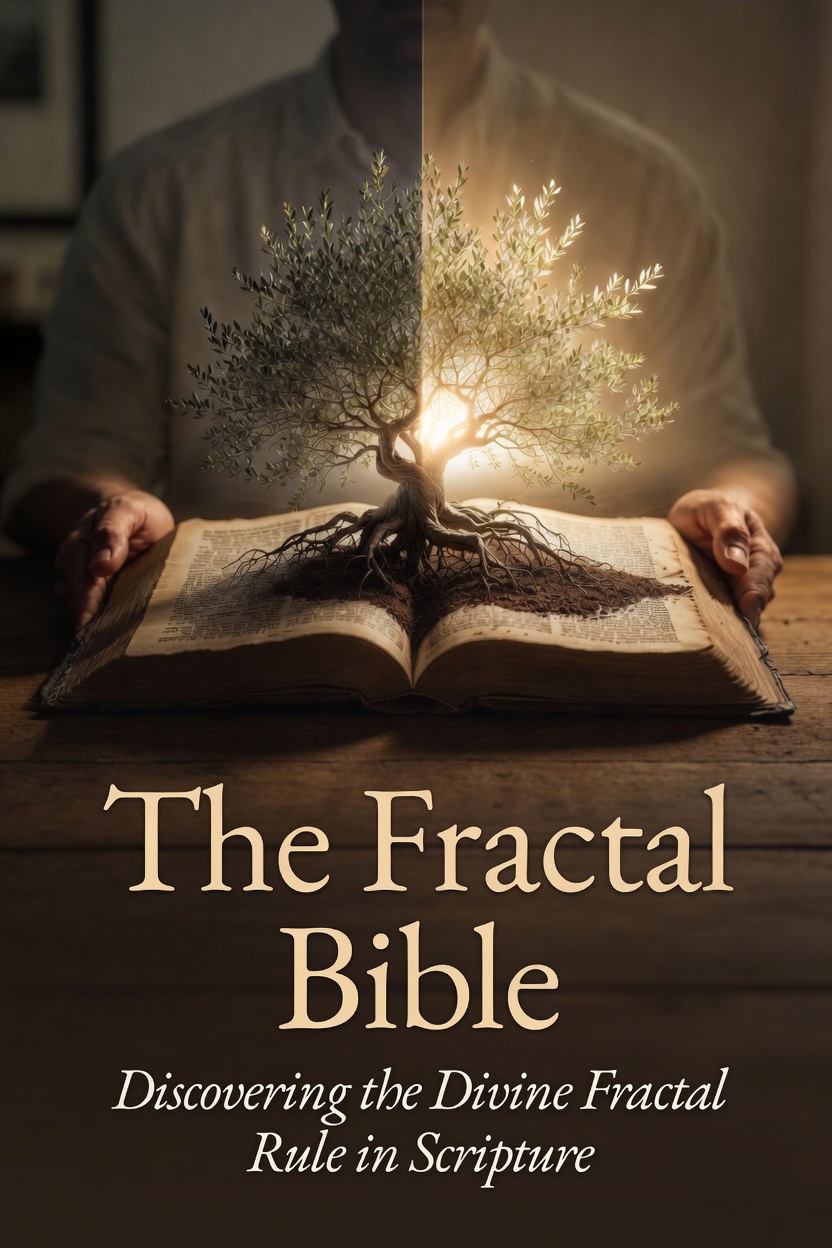
I’m thrilled to share the full manuscript of The Fractal Bible. The book reveals a breathtaking fractal pattern woven through Scripture: Creation → Fracture → Restoration. I’m seeking 20–30 honest beta readers for candid feedback by June 30, 2026. Your thoughts will shape the final book and you’ll receive a free EPUB in return.
-
1 and 2 Timothy refute ethnic exclusivity in God’s favor toward Israel, held by early Jewish unbelievers and dispensationalists, by expanding categories like “people of God,” “covenant,” and “promise” universally through faith in Christ. They redefine Israel as all believers—Jews and Gentiles—anchored to historical promises, including Gentiles as heirs.
-

The call to holiness transitions from external law to Spirit-written internal transformation (Jeremiah 31:33). New covenant living reflects kingdom scope over all life, with persistent prayer and Melchizedek inclusion welcoming Gentiles, previewing comprehensive new creation holiness empowered by the Spirit.
-

The pattern escalates through history: overlap shatters, grace partially restores, rebellion deepens, greater restoration surges—Eden, flood, Abraham, exodus, tabernacle, temple, Christ, church—each cycle more intimate, guaranteeing final victory in the coming new creation.
-
1 and 2 Thessalonians refute ethnic exclusivity in God’s favor toward Israel, held by early Jewish unbelievers and dispensationalists, by expanding categories like “people of God,” “kingdom,” and “elect” universally through faith in Christ. They redefine Israel as all believers—Jews and Gentiles—anchored to historical promises, including Gentiles as heirs.
-

This week we entered the Tabernacle station by station: east gate, altar, basin, lampstand, showbread, incense, and the Ark. A shadow and copy of heavenly reality, it pointed forward to Christ—the true sacrifice, light, bread, priest, and mercy seat. The copy served its purpose; the Real Thing has come.
-
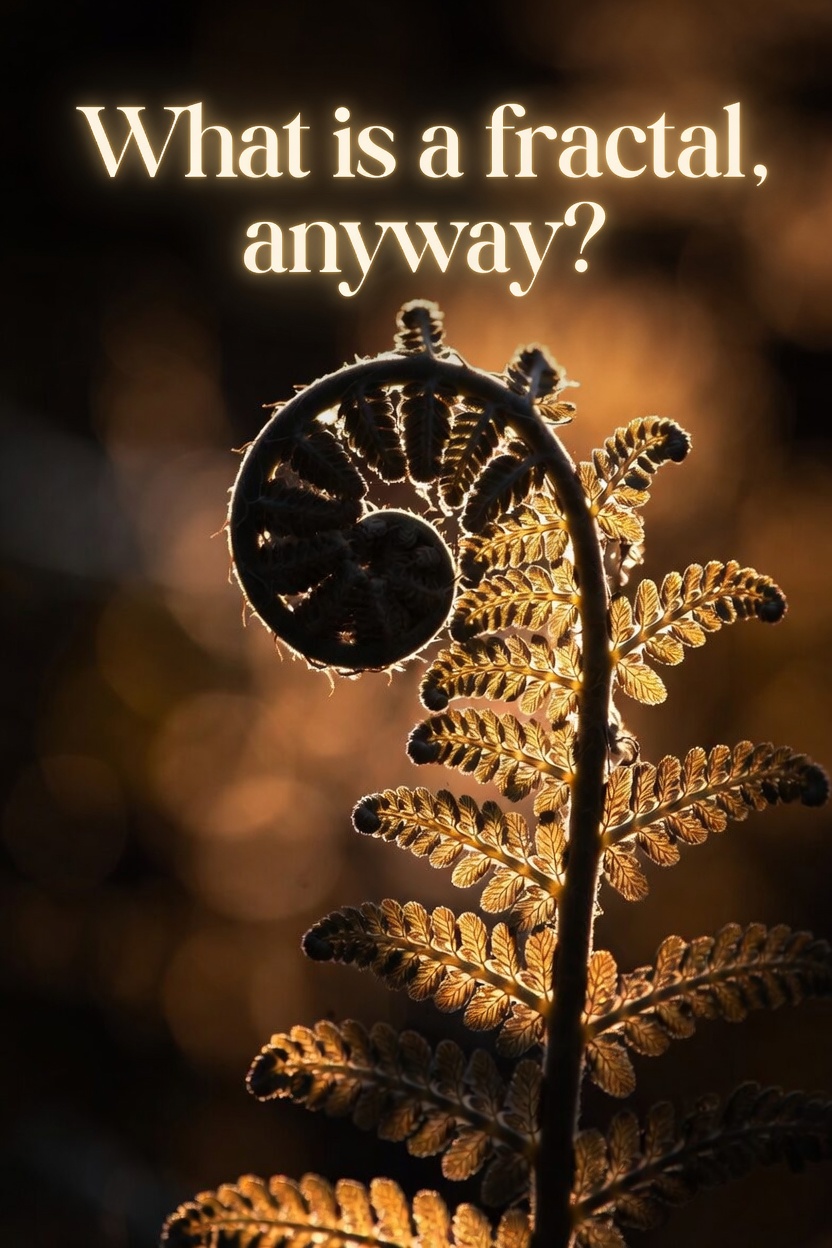
Everyone who hesitated because “fractal” sounded too academic — this post is for you. Bob breaks down fractals in plain English using a fern, a snowflake, and three words: Creation, Fracture, Restoration. The reader who feels out of their depth is exactly the beta reader he needs most.
-
Abraham’s land promise expands beyond physical territory to cosmic inheritance of the renewed world through faith (Romans 4:13). It shadows greater reality in Christ, whose universal authority fulfills Old Testament types, redefining inheritance as participation in the new creation for all believers.
Recent Posts…
- The Israel of God in 1 & 2 Timothy
- Lifestyle – From Law to New Creation Holiness
- Behold the sacred recursion—the recursive rhythm
- The Israel of God in 1 & 2 Thessalonians
- The Tabernacle: A Copy That Points to the Real Thing
“Eternity is the now that does not pass away.”

“You have made us for yourself, O Lord, and our heart is restless until it rests in you.” ~ Augustine


