BoSaLuJa … Bob
-

Isaiah’s eternal king fulfills in Jesus’ resurrection; the kingdom is present now (“time fulfilled,” Mark 1:15) yet awaits consummation. Paul’s Christ-centered eschatology calls believers to faithful stewardship in this overlapping age, expanding from ethnic hope to worldwide reality under Jesus’ rule.
-

New heaven and earth; no more sea. New Jerusalem descends as bride—filled with healed nations, illuminated by God and Lamb. No temple needed; river and tree of life flow. Servants see His face and reign forever—Eden transfigured into eternal garden-city overlap.
-
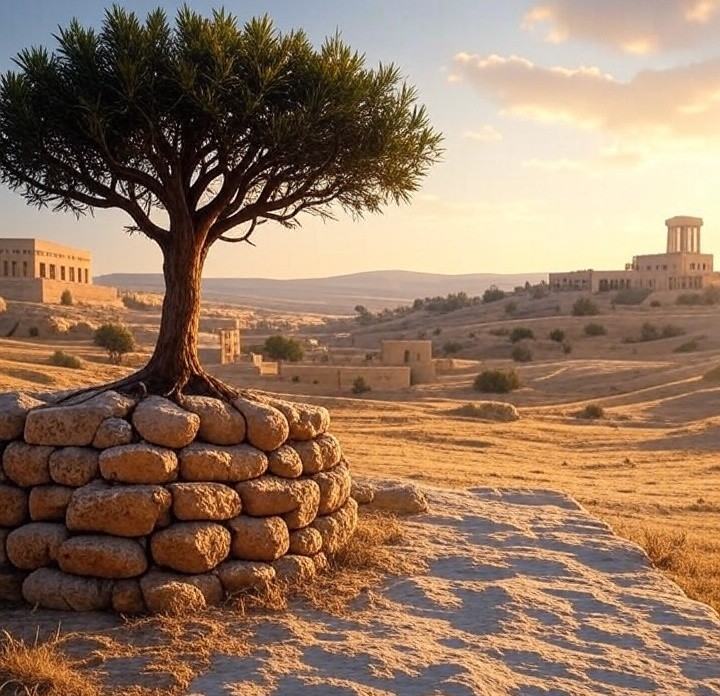
Paul’s first instruction to Timothy as a young pastor in Ephesus was to stop certain people from teaching “myths and endless genealogies.” The false teaching threatening the Ephesian church was rooted in ethnic pedigree — in the idea that genealogical standing before God still mattered. Paul’s response was to anchor the whole pastoral enterprise in…
-
The call to holiness transitions from external law to Spirit-written internal transformation (Jeremiah 31:33). New covenant living reflects kingdom scope over all life, with persistent prayer and Melchizedek inclusion welcoming Gentiles, previewing comprehensive new creation holiness empowered by the Spirit.
-
The pattern escalates through history: overlap shatters, grace partially restores, rebellion deepens, greater restoration surges—Eden, flood, Abraham, exodus, tabernacle, temple, Christ, church—each cycle more intimate, guaranteeing final victory in the coming new creation.
-
Paul had been in Thessalonica for perhaps three weeks when he was driven out of town. The church he left behind was weeks old, mostly Gentile, already under persecution. And in the letters he wrote them, he placed them — without qualification — inside the covenant story of Israel. Chosen. Called into the kingdom. Suffering…
-

This week we entered the Tabernacle station by station: east gate, altar, basin, lampstand, showbread, incense, and the Ark. A shadow and copy of heavenly reality, it pointed forward to Christ—the true sacrifice, light, bread, priest, and mercy seat. The copy served its purpose; the Real Thing has come.
-

Everyone who hesitated because “fractal” sounded too academic — this post is for you. Bob breaks down fractals in plain English using a fern, a snowflake, and three words: Creation, Fracture, Restoration. The reader who feels out of their depth is exactly the beta reader he needs most.
-
Abraham’s land promise expands beyond physical territory to cosmic inheritance of the renewed world through faith (Romans 4:13). It shadows greater reality in Christ, whose universal authority fulfills Old Testament types, redefining inheritance as participation in the new creation for all believers.
-
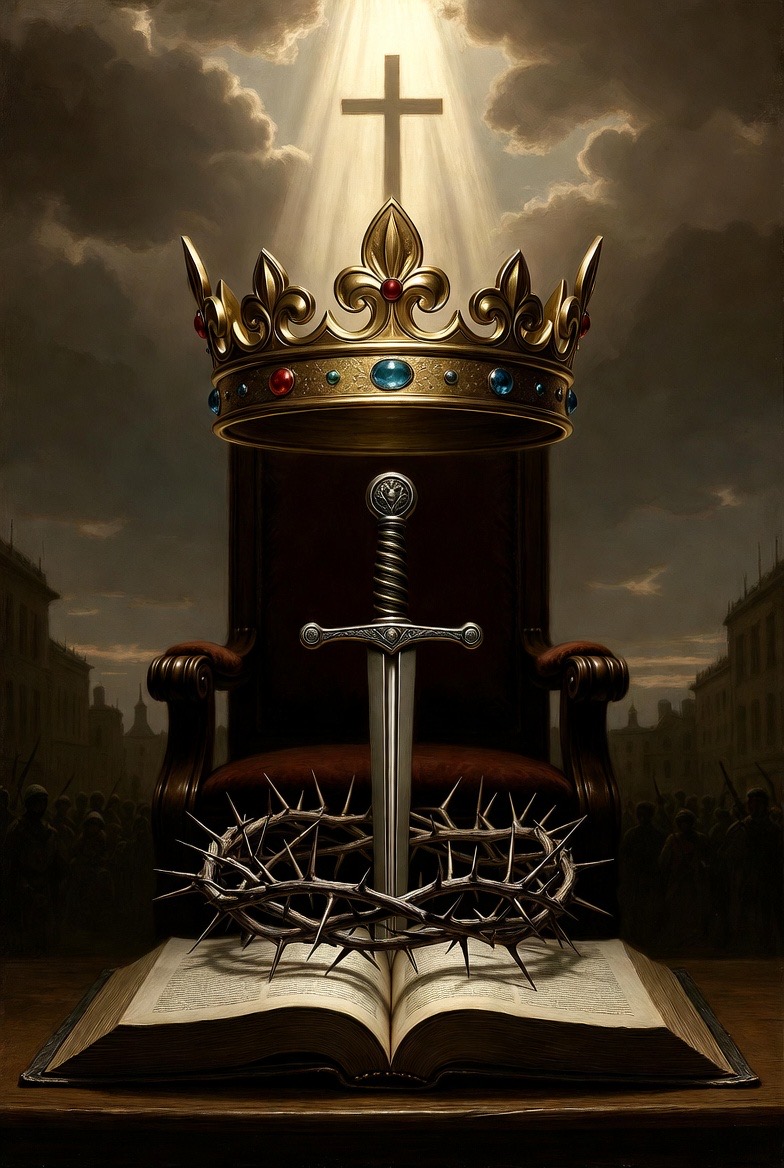
Politics must remain under the gospel. While the magistrate bears the sword for temporal justice, ultimate hope rests in Christ’s crown of thorns and atoning work. This final post calls believers to engage culture with realism and urgency while fixing their eyes on the eternal King and coming kingdom.
-
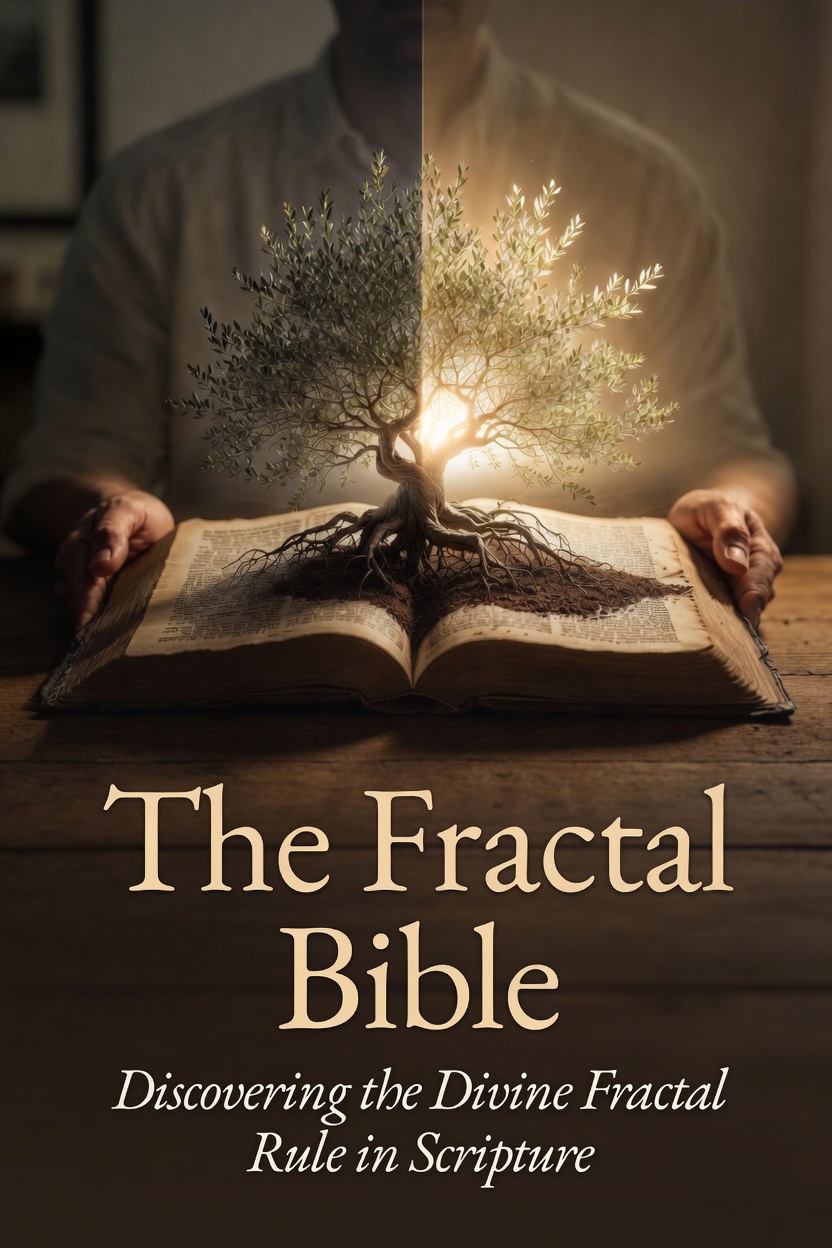
I’m thrilled to share the full manuscript of The Fractal Bible. The book reveals a breathtaking fractal pattern woven through Scripture: Creation → Fracture → Restoration. I’m seeking 20–30 honest beta readers for candid feedback by June 30, 2026. Your thoughts will shape the final book and you’ll receive a free EPUB in return.
-
Genesis 1 envisions heaven and earth designed for eternal embrace, embodied in Eden. Sin severs overlap; history becomes God’s patient recursion to mend the fracture, drawing realms nearer until final new heavens and earth restore unbreakable communion.
-
The false teachers pressing in on the Colossian church had a sophisticated program: Christ plus calendar observance, Christ plus dietary rules, Christ plus circumcision, Christ plus angelic intermediaries. Paul’s answer was not a negotiation. It was a Christology so vast it left no room for additions. You have the fullness. The shadow has passed. The…
-

The Complete Fractal Bible Series 69 Posts • 8 Parts • One Divine Pattern: Creation → Fracture → Restoration ✧ • ✧ • ✧ (Click to Expand Each Section) Part 1: The Fractal Bible An Invitation to the Fractal Bible The poetic launch of the series. Scripture unfolds as a living fractal — a repeating…
-

The Addendum outlines three eras following the fractal pattern of Creation → Fracture → Judgment/Recreation. Era 1: Garden to Flood (universal humanity). Era 2: Abraham to Exile (embryonic people of God). Era 3: New Creation in Christ toward New Jerusalem (global, faith-based). These mirrored stories center on Christ, confirming that new-creation believers are the Israel…
-

This week’s lesson explored “The Israel of God” in Galatians. Paul teaches that faith in Christ unites believers—Jew and Gentile—as Abraham’s true descendants and heirs of the promise. Referencing 1 Corinthians 10, the Exodus story belongs to all in Christ as “our fathers.” The session highlighted the repeating biblical pattern of Creation → Fracture →…
-
Jesus shifts worship from physical locations and old covenant shadows to spirit and truth (John 4:24). His once-for-all sacrifice perfects believers; the Spirit empowers authentic, location-free worship everywhere, fulfilling temple types and inaugurating kingdom reality through Christ’s superior priesthood.
-
The Word tabernacles among us; seven signs signal new creation. Jesus is the true temple. Crucifixion tears veil; resurrection brings scarred new creation—perfect overlap of heaven and earth in one Person, fulfilling every prior sanctuary.
-
Paul wrote Philippians from a prison cell — and from that cell, he burned his résumé. Circumcised on the eighth day, Hebrew of Hebrews, blameless under the law. He had every ethnic credential dispensationalism says should matter. He called them loss. He called them dung. What Philippians teaches about Israel’s identity, it teaches by watching…
-
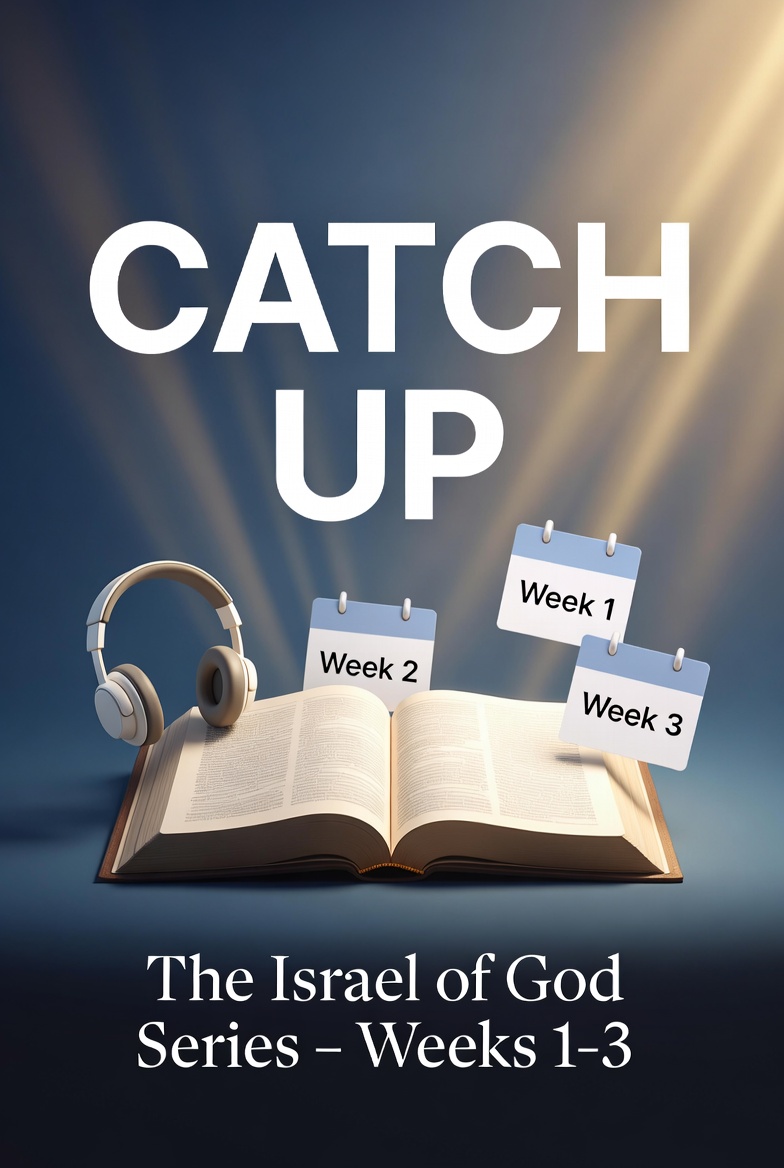
The first three weeks lay the foundation: Scripture tells one story centered on Christ. The Israel of God is the new-creation people — Jew and Gentile united by faith. The kingdom has come in the King, not postponed. Old Testament signs find their reality in Jesus, correcting ethnic-only views of God’s people.