Biblical Theology
-

The church embodies the true Israel now—one unified, multi-ethnic people in the “already/not yet” kingdom. As fellow citizens and temple, believers steward faithfully, pursue mission, provoke jealousy through love, and live with new-creation hope until full consummation in Christ.
-

Zion has three layers — a hill, a throne, and a heavenly city Hebrews says believers have already reached. Christian Zionism and dispensationalism make the same mistake: they freeze on the first layer and miss the other two.
-
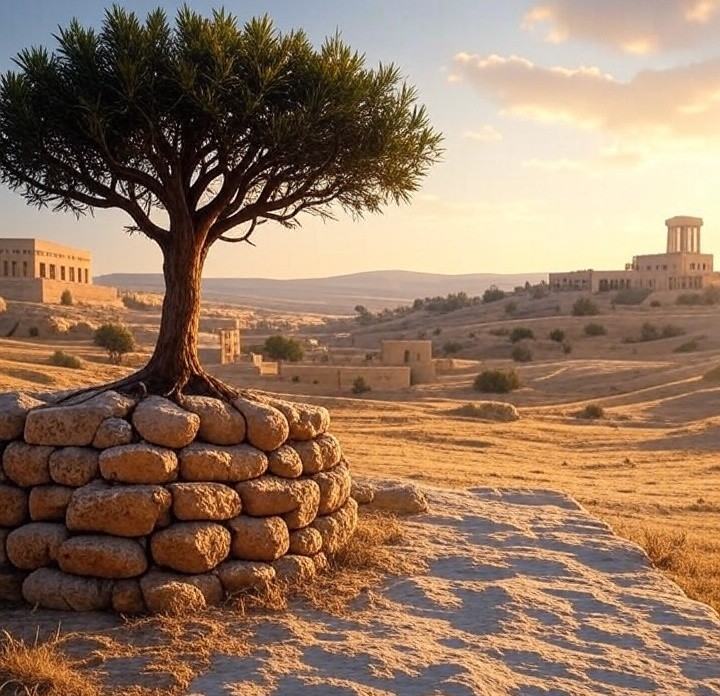
Peter writes to scattered strangers in five Roman provinces and calls them a chosen race, a royal priesthood, a holy nation. These are Israel’s titles — and Peter gives them to the church without qualification. Not as a replacement for Israel’s story, but as its fulfillment: a people born again through the resurrection of Christ,…
-

The kingdom of God is not an idea waiting to arrive. It arrived in a person. This session traces the nature, present reality, and future trajectory of the kingdom across the breadth of the New Testament — and asks why we keep expecting the wrong thing.
-
Paul does not leave us suspended in the present age — he lifts our gaze to the final consummation. Creation groans, but it groans with expectation. The Israel of God, Jew and Gentile together, will inherit a renewed cosmos where God is all in all. That glory has a face, and His name is Jesus.
-
James writes to “the twelve tribes in the Dispersion” — and then proceeds to pour the entire vocabulary of Israel into a mold shaped by Jesus. Tribe, synagogue, Abraham, kingdom, the royal law: each one stretched beyond ethnic boundaries to encompass every person who trusts the Lord of glory. The Israel of God in James…
-

There is a mountain that appears only twice in the Old Testament under the same exact description. The first time, Israel’s idols are built on it. The second time, the glory of God departs from it. Ezekiel watched it leave. Zechariah said it would come back. And then it did — in a form no…
-
Before time began, before there was a problem to solve, there was a plan. The Reformed tradition calls it the pactum salutis — the covenant of redemption. John 17 pulls back the curtain on that eternal transaction, and everything in the story of Israel, the tabernacle, and the kingdom makes different sense once you see…
-
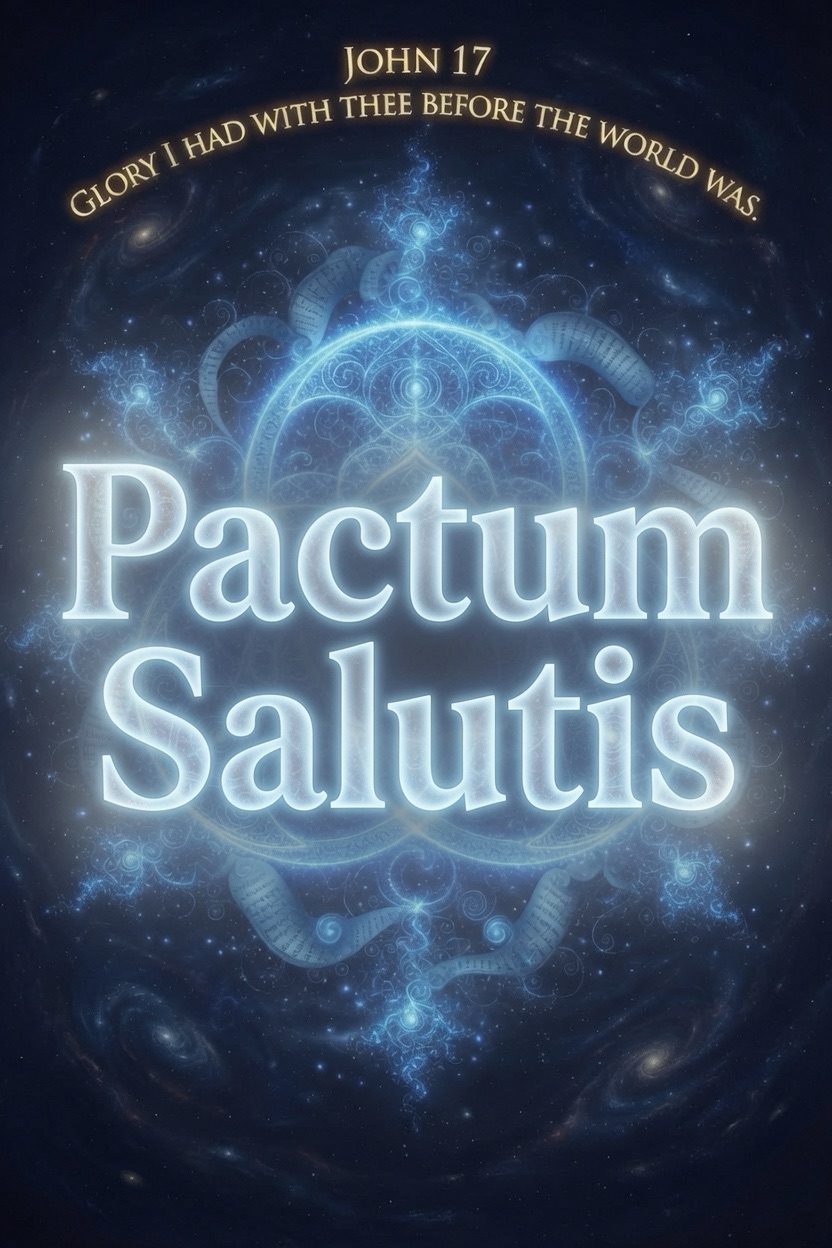
Reformed theology has always insisted that salvation does not begin at the manger or the cross. It begins in eternity — in an agreement made within the Godhead before any creature drew breath, before any star was hung in place. The Father appointed his Son as Mediator. The Son, in willing and eternal love, accepted.…
-
Paul’s love for ethnic Israel is raw, pastoral, and urgent — yet it never wavers from the truth that salvation comes only through faith in Christ. In this lesson we sit with Paul’s anguish in Romans 9–11 and discover that God has not rejected His people. The same grace that saved us can still save…
-

The tabernacle was not the beginning of something — it was the materialization in time and space of something that always was. The fundamental interpretive error of unbelieving Israel and confused dispensationalism alike is mistaking the shadow for the source.
-
Hebrews does something remarkable: it takes the entire scaffolding of Israel — the covenant, the priesthood, the city, the sacrifice, the heroes of faith — and shows that it was always pointing beyond itself to Christ, and through Christ, to a people defined not by blood but by faith.
-
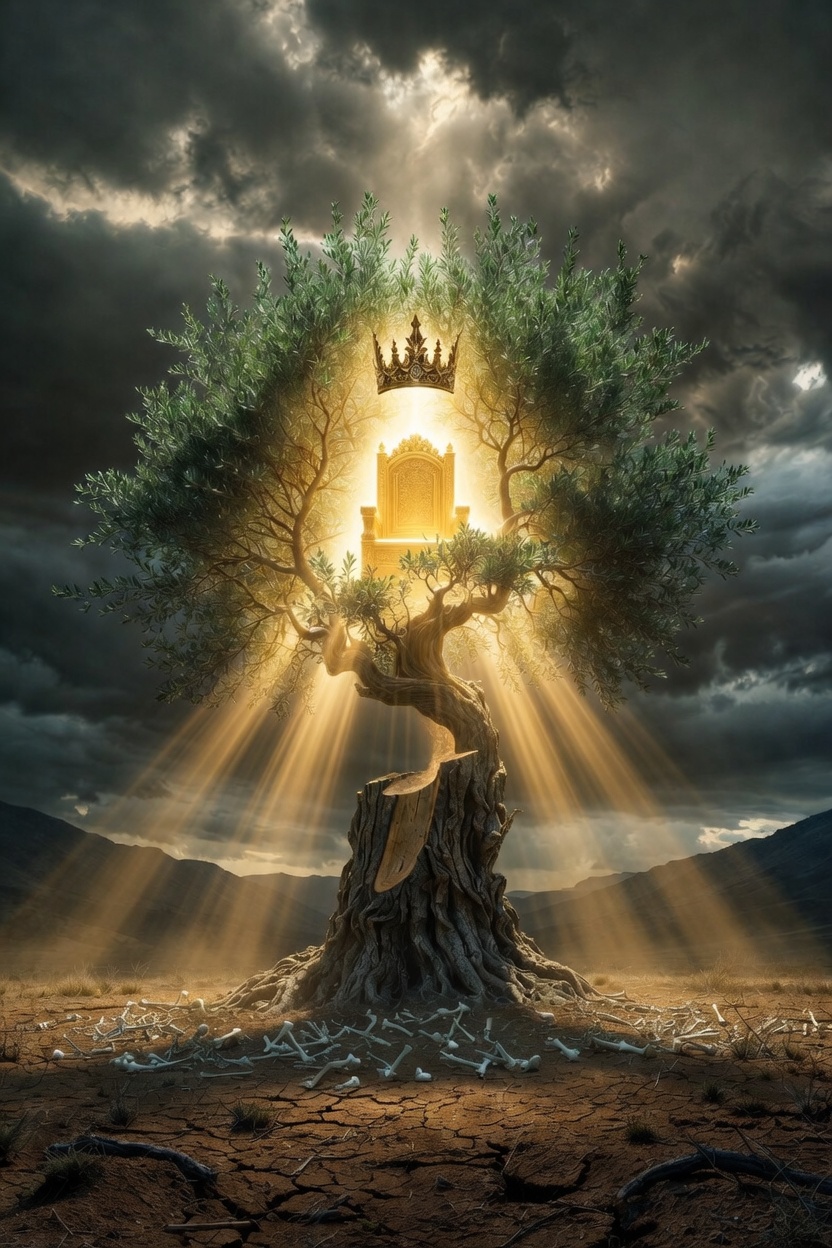
Many view the Church as a temporary parenthesis while God’s plan for ethnic Israel pauses, awaiting a future restart of shadows. Scripture instead reveals Christ as the Branch, Priest-King, and Temple-builder who fulfills all. The olive tree thrives by faith, not ethnicity; shadows end when the Substance arrives.
-
The new covenant makes the old obsolete (Hebrews 8:13); Christ’s cross creates one new humanity (Ephesians 2:14-16), demolishing divisions. God has one unified plan—no separate futures for Israel and church—fulfilling promises in the multi-ethnic body of Christ as the true people of God.
-
Philemon refutes ethnic exclusivity in God’s favor toward Israel, held by early Jewish unbelievers and dispensationalists, by expanding categories like “brother,” “fellowship,” and “in Christ” universally through faith in Christ. It redefines Israel as all believers—Jews and Gentiles—anchored to historical promises, including Gentiles as heirs.
-
Paul affirms God has not rejected Israel, showing a believing remnant and one olive tree where Gentile wild branches graft in by faith. The shared root (Christ) prohibits arrogance; “all Israel” (elect remnant) will be saved, uniting Jews and Gentiles in one body.
-
Crete had a reputation. Paul quotes their own poet to make the point: liars, evil beasts, lazy gluttons. This is where Titus is sent to plant churches and establish elders. And in the letter Paul writes him, some of the most sweeping covenant language in the New Testament is addressed to these people — the…
-
Isaiah’s eternal king fulfills in Jesus’ resurrection; the kingdom is present now (“time fulfilled,” Mark 1:15) yet awaits consummation. Paul’s Christ-centered eschatology calls believers to faithful stewardship in this overlapping age, expanding from ethnic hope to worldwide reality under Jesus’ rule.
-
Paul’s first instruction to Timothy as a young pastor in Ephesus was to stop certain people from teaching “myths and endless genealogies.” The false teaching threatening the Ephesian church was rooted in ethnic pedigree — in the idea that genealogical standing before God still mattered. Paul’s response was to anchor the whole pastoral enterprise in…
-
The call to holiness transitions from external law to Spirit-written internal transformation (Jeremiah 31:33). New covenant living reflects kingdom scope over all life, with persistent prayer and Melchizedek inclusion welcoming Gentiles, previewing comprehensive new creation holiness empowered by the Spirit.