Christ typology
-

This week we entered the Tabernacle station by station: east gate, altar, basin, lampstand, showbread, incense, and the Ark. A shadow and copy of heavenly reality, it pointed forward to Christ—the true sacrifice, light, bread, priest, and mercy seat. The copy served its purpose; the Real Thing has come.
-
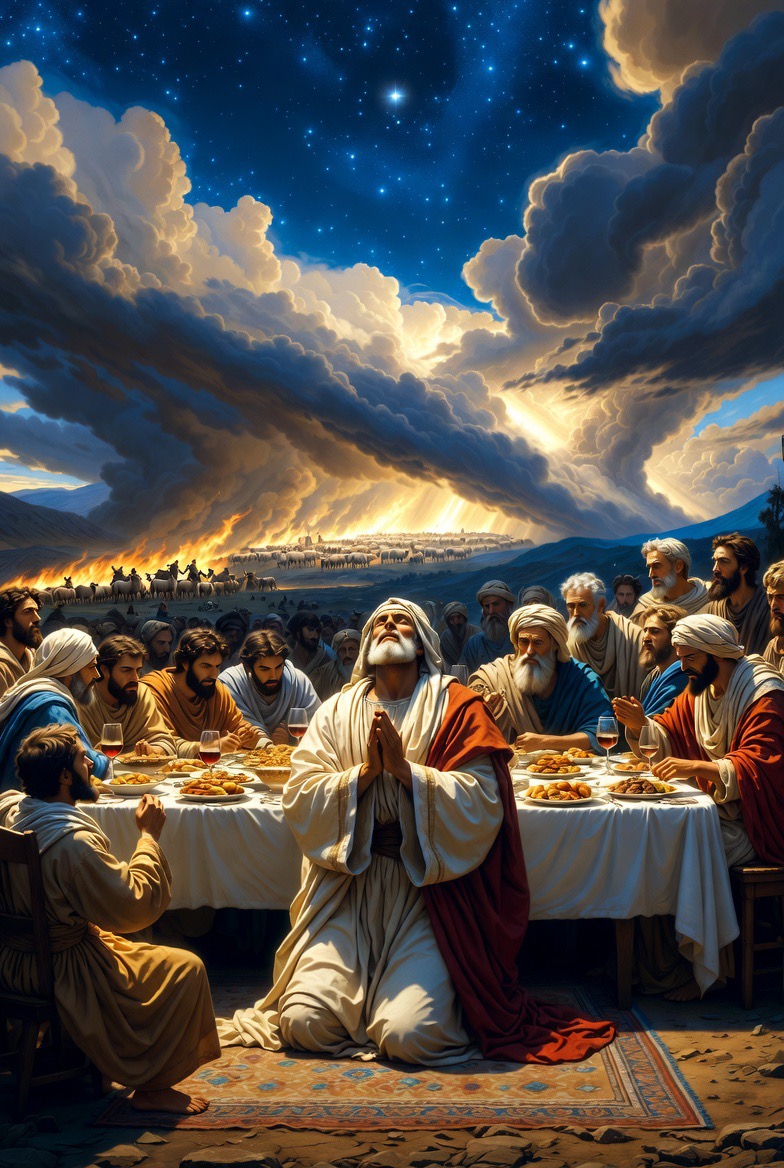
Job’s trials, mediator cry, vindication, and restoration typologically foreshadow Christ’s sinless suffering, intercession, resurrection, and exaltation. Key NT fulfillments highlight the cross as theodicy’s resolution. Discontinuities (Job’s rebuke vs. Christ’s perfection) underscore Christ’s superiority. Job becomes a hopeful story of trust leading to glory.
-
Jesus and the apostles teach that the entire Old Testament points to Christ (Luke 24:27; John 5:39; 1 Peter 1:10–12). This unified narrative—types, shadows, promises—culminates in Jesus, providing the foundation for reading Job as a Christocentric book of suffering and redemption.
-
Critiques of Job-as-Christ typology include dating issues, inferred links, wisdom-genre focus, and individual vs. communal emphasis. Scriptural refinements (progressive revelation, patterns, NT motifs) strengthen it while respecting discontinuities. Job is chastised; Christ never is—typology illuminates but does not equate.
-
A post-exilic context reframes Job as encouragement amid national judgment, contrasting Israel’s deserved exile with innocent suffering. Job as everyman expands to universal scope, foreshadowing Christ’s humiliation-to-exaltation arc. Parallels are strong yet limited: earthly/temporary restoration vs. Christ’s eternal, cosmic victory.