Westminster Confession of Faith (WCF)
-

The grace of God is manifested in the second covenant through the provision of a Mediator and life by faith, with the Holy Spirit working in believers for obedience. The covenant of grace was promised before Adam and Eve’s expulsion, fulfilled in Christ. Mankind’s fallen state and inability to do good emphasizes the need for…
-
The Church Militant (believers on Earth) and the Church Triumphant (believers in Heaven) are united in Christ. The Church Militant strives for holiness and spreads the Gospel, while the Church Triumphant enjoys eternal communion with God. Both are part of the same body, pursuing eternal life with God.
-
The covenant of grace was made with Christ as the second Adam, and with all the elect as his seed. Works are acceptable to God only if done in Christ, emphasizing the unity of salvation in Christ. God’s work of redemption is specific and effective, as shown in Romans and Isaiah. Jesus affirms the security…
-

The gospel message transcends traditional political divides, focusing on a cosmic struggle between the citizens of Adam (fallen humanity) and the citizens of Christ (redeemed humanity). Christ’s mission is to unite His diverse Church, transcending worldly divisions. We should discern political messages based on their alignment with Christ’s unifying work and reject attempts to unite…
-
God does not leave all people in sin and misery, but out of love and mercy, He delivers His chosen ones into salvation through the Covenant of Grace. The biblical perspective on death differs from fatalism; Scripture supports the concept of election. Meanwhile, free will does not enable good works without grace, emphasizing the necessity…
-

God’s judgment isn’t always dramatic and catastrophic. Sometimes, it’s subtle and unspectacular, like letting people follow their own desires and be consumed by them. In Isaiah 50:10-11, those who fear God and trust in Him are contrasted with those who kindle their own fires and rely on their own light. The latter group ultimately faces…
-

Tired of the mainstream media labeling people of faith as “weird”? Discover why this label might actually be a badge of honor! This provocative post explores the biblical roots of being “peculiar” and how it aligns with living a life dedicated to God in today’s upside-down culture. We’ll delve into the consequences of rejecting truth…
-
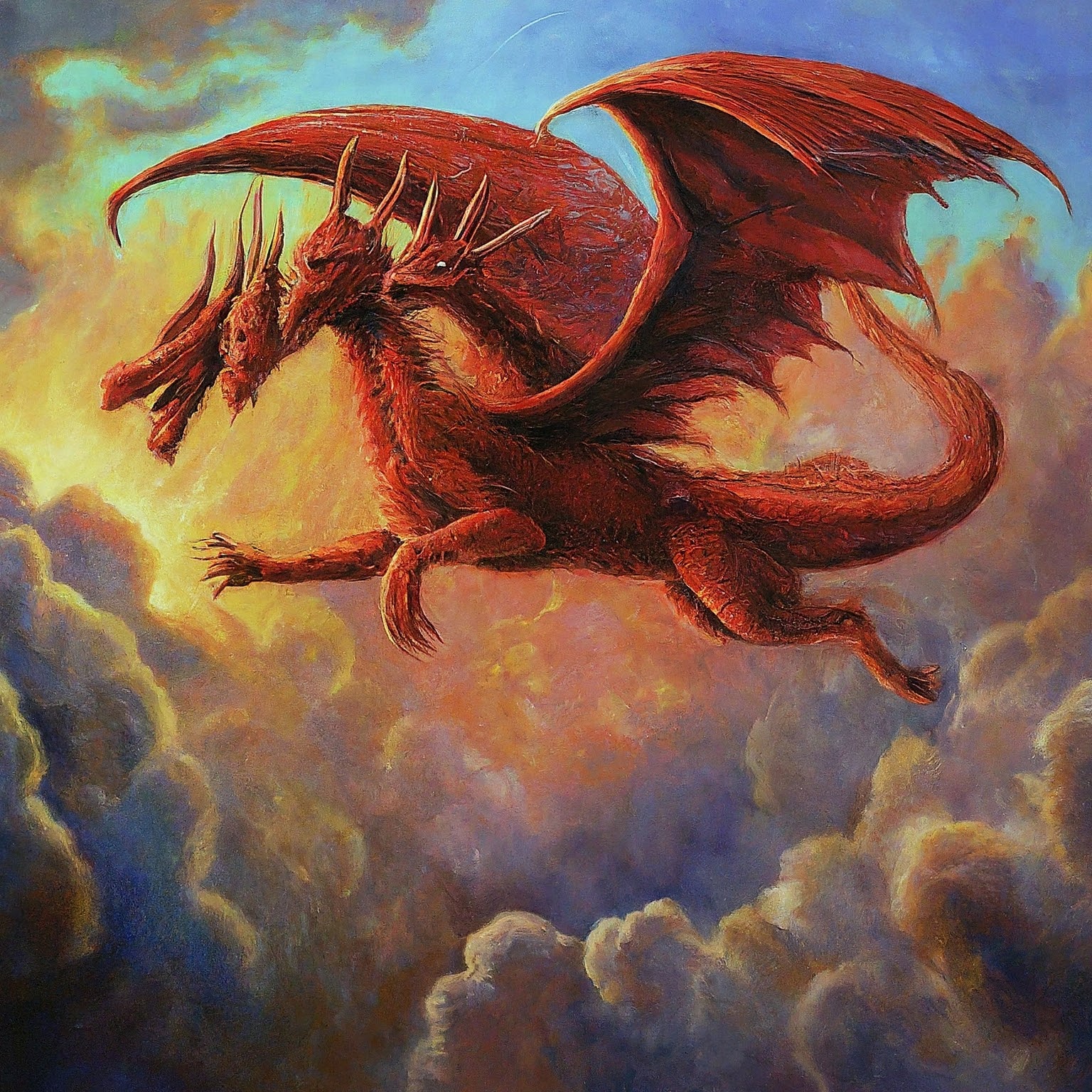
The recent drag queen Last Supper has sparked outrage among Christians. While initially angered, the author sees this as a predictable tactic of the “dragon” from the Book of Revelation, whose mission is to destroy Christ and his followers. Using Revelation as a framework, the author argues that this blasphemous display was a failed attempt…
-
The punishments of sin in the world to come include everlasting separation from God’s presence and unending torments in hell-fire for those who reject God’s saving grace. However, through Christ, there is an offer of eternal life and rest for those who believe in Him, surpassing any human effort for salvation.
-
The punishments of sin in this world include both inward and outward consequences. Inward punishments manifest as spiritual blindness, hardened hearts, and unholy desires. Outward punishments involve natural disasters, sickness, and relational strife. According to Reformed theology, sin affects every aspect of humanity, emphasizing the need for salvation through faith in Jesus Christ.
-

The fall of Adam and Eve led to the loss of communion with God, subjecting mankind to God’s displeasure and curse. This separation resulted in fear and expulsion from the garden, leading to a multitude of consequences including death. The ultimate solution is reconciliation with God through Christ, bringing believers into a new family relationship.
-

Original sin is passed down from our first parents through natural generation, corrupting their descendants. This corruption is not just a learned behavior, but a fundamental flaw in human nature. The contrasting federal headships of Adam and Christ are central to understanding the doctrine of redemption by grace alone. This doctrine is foundational to Scripture.
-
The sinfulness of humanity’s fallen state is rooted in Adam’s original sin, the lack of righteousness, and corrupt nature leading to total depravity. This universal condition leaves humanity spiritually dead and opposed to good, incapable of pleasing God. Only through God’s grace and the sacrifice of Jesus can humanity find redemption.
-
Sin is the violation of God’s law, bringing guilt and subjecting humans to miseries. Original sin stems from Adam’s disobedience, corrupting human nature. Despite our fallen state, hope lies in Christ’s redemption, securing our future glorified state. Although sin remains, confession, repentance, and faith in Christ provide the needed solution.
-
The passage discusses the effects of sin, starting with Adam and Eve’s attempt to hide their nakedness and shame from God. It highlights the connection between their inward awareness and outward condition, emphasizing the consequences of their disobedience. The expulsion from the garden is a pivotal event, but it ends with a promise of hope…
-
Into what estate did the fall bring mankind? The fall brought mankind into an estate of sin and misery.
-
Did all mankind fall in that first transgression? The covenant being made with Adam as a public person, not for himself only, but for his posterity, all mankind descending from him by ordinary generation, sinned in him, and fell with him in that first transgression.
-
Did man continue in that estate wherein God at first created him? Our first parents being left to the freedom of their own will, through the temptation of Satan, transgressed the commandment of God in eating the forbidden fruit; and thereby fell from the estate of innocence wherein they were created.
-
What was the providence of God toward man in the estate in which he was created? The providence of God toward man in the estate in which he was created, was the placing him in paradise, appointing him to dress it, giving him liberty to eat of the fruit of the earth; putting the creatures…
-
What is God’ s providence towards the angels? God by his providence permitted some of the angels, willfully and irrecoverably, to fall into sin and damnation, limiting and ordering that, and all their sins, to his own glory; and established the rest in holiness and happiness; employing them all, at his pleasure, in the administrations…