Leviticus, the blueprint of the Bible
-
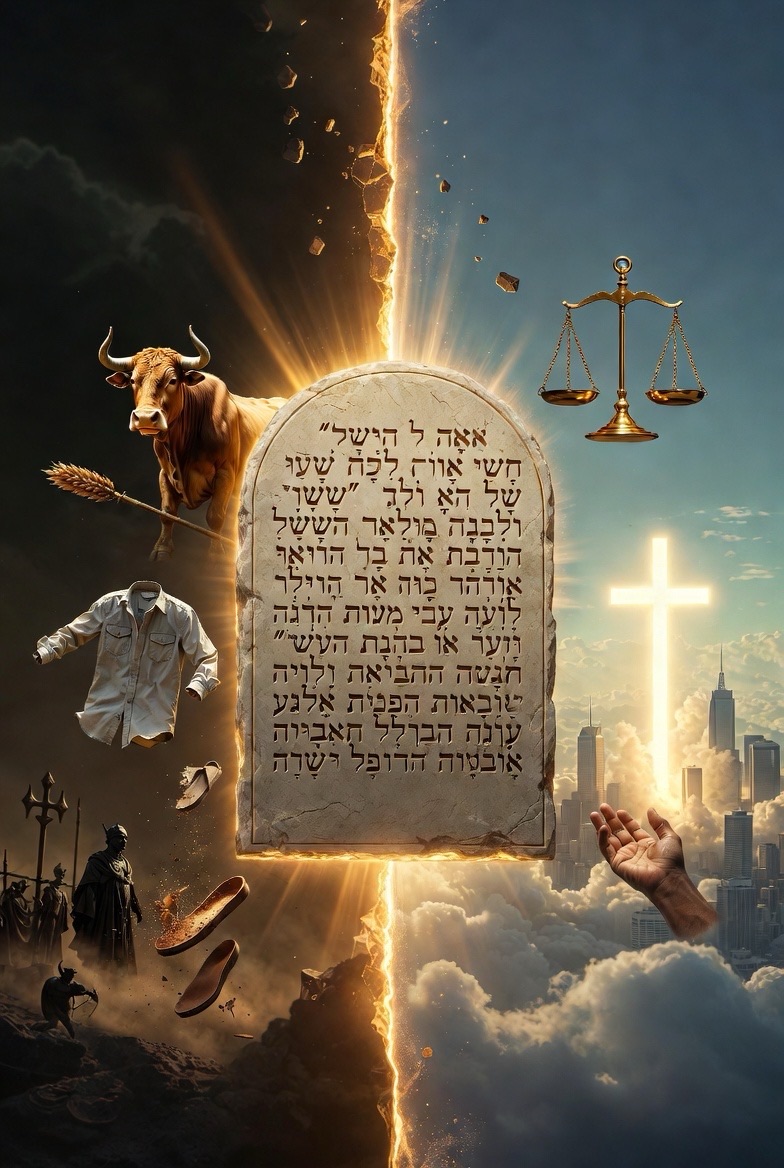
Why do so many laws in Deuteronomy — like not mixing wool and linen, levirate marriage, and the genital grab penalty — seem bizarre today? When you understand the fertility-obsessed Canaanite culture Israel faced, these laws reveal God’s wisdom for keeping His people holy and distinct. The principle of non-syncretism is just as relevant in…
-

The Old Testament’s tabernacle and priesthood were temporary shadows pointing to Jesus, the true heavenly temple and eternal priest in the order of Melchizedek. Clinging to these copies, like valuing a replica over the original, risks denying Christ’s sufficient sacrifice, undermining the eternal reality He fulfills.
-

The biblical narrative connects the Garden of Eden, the Tabernacle/Temple, and the New Jerusalem in a story of redemption. Eden represents the original paradise lost due to sin. The Tabernacle/Temple offered a temporary way for atonement and symbolized God’s presence. The New Jerusalem signifies the ultimate restoration of paradise, free from sin and death, where…
-
The Tabernacle’s design intentionally evokes the Garden of Eden through various symbolic elements, including the lampstand (menorah) representing the Tree of Life, the table of showbread symbolizing God’s provision, and the altar of incense representing prayers ascending to God. Colors like gold, blue, purple, and scarlet reflect the divine nature, beauty, and royalty of Eden.…
-
The Tabernacle and Temple, as God’s dwelling places on Earth, echoed elements of the Garden of Eden, including God’s presence, sacredness, and the source of life. While access to God was limited in these structures, they symbolized a pathway to reconciliation through sacrifices and foreshadowed the ultimate restoration of paradise through Christ, enabling renewed communion…
-
The Tabernacle and Temple had designated areas for different sacrifices, each with unique spiritual significance. The bronze altar in the outer courtyard was for burnt and peace offerings, symbolizing public dedication and fellowship. Sin and guilt offerings were performed at the incense or bronze altar, highlighting the need for purification. This structured layout mirrored the…
-
Leviticus details five main types of sacrifices in the Israelite worship system: burnt offering (complete dedication to God), grain offering (gratitude for provision), peace offering (communion and fellowship), sin offering (atonement for unintentional sins), and guilt offering (restitution for specific sins). These sacrifices played a crucial role in their relationship with God, expressing devotion, seeking…
-
The Levitical sacrifices foreshadow Christ’s ultimate sacrifice in various ways: substitutionary atonement through innocent death, blood as a means of cleansing, the perfection of the sacrifice, Christ’s complete dedication like the burnt offering, reconciliation through the peace offering, and forgiveness through sin and guilt offerings. These connections reveal the profound significance of Jesus’ death and…
-
Two outlines summarize Leviticus, offering different levels of detail. The short version provides a concise overview of the book’s six main sections, while the long version delves into specific laws, rituals, and symbolism. Readers can choose the outline that best suits their needs: a quick reference for general understanding or a comprehensive exploration of God’s…
-
This extension of the Leviticus study will delve deeper into the book’s structure, the symbolism of the sacrifices and tabernacle, and their connections to Eden and the New Jerusalem. The exploration will focus on how these elements foreshadow Christ’s fulfillment of the Old Testament laws and God’s plan for the redemption of humanity.
-
Leviticus connects the Garden of Eden, the Tabernacle, and the New Jerusalem in a tapestry of redemption. The Tabernacle’s design echoes Eden, symbolizing God’s presence and provision. The New Jerusalem, the ultimate restoration of paradise, offers healing and sustenance like Eden. Christ’s sacrifice bridges the gap between the fall in Eden and the eternal paradise…
-
This week’s study focuses on the deeper meaning of the altar as a meeting place between God and humanity, and the lamb as a symbol of innocence and substitutionary atonement. The bronze altar witnessed burnt offerings, symbolizing complete dedication to God, while the unblemished lamb represented Christ’s sacrifice for our sins. The shedding of blood…
-
Leviticus unveils God’s blueprint for restoring fellowship with humanity. It addresses unintentional sins, offering reconciliation through confession and restitution (Leviticus 5). Detailed instructions for priests emphasize reverence in approaching God (Leviticus 6). The peace offering symbolizes communion and gratitude, reminding us of God’s provision (Leviticus 7). These sacrifices foreshadow Christ’s ultimate sacrifice, revealing God’s love…
-
Leviticus Unveiled explores the often-misunderstood book of Leviticus, revealing its significance in God’s plan of redemption. It examines the sacrificial system, the Tabernacle, and their symbolic connections to Eden and the New Jerusalem. The series emphasizes Christ’s ultimate sacrifice as the fulfillment of the Old Testament system, offering hope and a path to reconciliation with…
-

Embark on a new year’s journey through the Bible! We’ll first delve into G.K. Beale’s profound temple theology, uncovering the cosmic significance of the Old Testament tabernacle and temple. Then, we’ll unlock the hidden treasures of Leviticus, revealing its profound connection to Christ’s redemption and the promise of the New Jerusalem. Subscribe to join this…