Temple Theology
-

: Daniel 11 traces the rise and fall of empires, from Persian kings to Alexander’s divided kingdom, focusing on Ptolemaic-Seleucid conflicts and Antiochus IV’s oppression, sparking the Maccabean Revolt. The Temple’s rededication (164 BC) birthed Hanukkah, with later verses hinting at eschatological events, blending history and prophecy.
-

G.K. Beale’s “eschatology precedes soteriology” means God’s end-times plan (eschatology) shapes salvation (soteriology). From Eden to Christ’s resurrection, the goal is a renewed creation. Salvation isn’t just personal forgiveness—it’s joining God’s cosmic restoration, where the kingdom of God and new creation are the ultimate aim, already begun but not yet complete.
-

This is a reference post to help readers navigate through the temple theology blog series. It provides tables listing scripture and Westminster Confession of Faith references by blog post, allowing readers to easily find specific verses or sections and understand their connections to the overarching themes of the series.
-
This concluding post summarizes the key points of the series on temple theology, emphasizing the tabernacle and temple as microcosms of the universe and foreshadowing God’s dwelling with humanity. It highlights the progression from Eden to the New Jerusalem, revealing God’s commitment to dwell among His people and the transformative implications of this understanding for…
-
This post explores the practical implications of Beale’s temple theology, emphasizing that believers are active participants in the heavenly temple. It discusses worship as spiritual sacrifice, mission as extending God’s presence, and living as citizens of the New Jerusalem, shaping our values and actions.
-
This post explores the vision of the eschatological temple in Revelation, the New Jerusalem, as the ultimate fulfillment of God’s dwelling with humanity. It highlights the absence of a physical temple, the symbolism of the river of life and tree of life, and the New Jerusalem as a new creation.
-
This post discusses the practical implications of G.K. Beale’s temple theology for contemporary Christians. It explores how understanding the temple’s symbolism can transform our worship, mission, and daily lives, emphasizing our role as “living temples” and participants in God’s redemptive work.
-
This post contrasts the Israelite temple with those in the Ancient Near East, emphasizing the Israelite temple’s unique monotheistic focus, absence of idols, distinct priestly role, and eschatological orientation. It argues that the Israelite temple was not merely a microcosm of the universe but a beacon of hope, pointing towards a future where God’s presence…
-
This post explores the cosmic symbolism in the high priest’s attire, interpreting each element as a representation of the universe. The outer robe symbolizes the earth, the main body of the robe represents the heavens, and the ephod symbolizes the Holy of Holies. The priest’s attire reflects his role as a mediator between the divine…
-
This post compares the Israelite temple with pagan temples in the Ancient Near East. It highlights the unique aspects of Israelite temple theology, including its monotheistic focus, absence of idols, distinct priestly role, and eschatological orientation.
-
This post explores the cosmic symbolism in the high priest’s attire, interpreting each element as a representation of the universe. It emphasizes the priest’s role as a mediator between the divine and human realms, foreshadowing Christ’s ultimate mediation.
-
This post delves into G.K. Beale’s thesis that the tabernacle was a microcosm of the cosmos. It explores the tabernacle’s tripartite structure, furnishings, and decorations, revealing their symbolism as reflections of the earth, visible heavens, and invisible heavens.
-
This post transitions from the tabernacle to the temple, exploring how the shift amplified the representation of God’s dwelling. It highlights the temple’s grandeur, symbolism, connection to Eden, and role in foreshadowing Christ as the ultimate temple.
-
This introduction to a series on G.K. Beale’s temple theology explores the tabernacle and temple as microcosms of the universe, foreshadowing God’s dwelling with humanity. It outlines the series’ focus on the cosmic symbolism of these structures and their theological implications for Christians today.
-

Embark on a new year’s journey through the Bible! We’ll first delve into G.K. Beale’s profound temple theology, uncovering the cosmic significance of the Old Testament tabernacle and temple. Then, we’ll unlock the hidden treasures of Leviticus, revealing its profound connection to Christ’s redemption and the promise of the New Jerusalem. Subscribe to join this…
-

The post explores the theological concept of “land” in biblical context, emphasizing its shift from a specific territory in the Old Testament to a broader, global promise in the New Testament, highlighting its role as a shadow of divine promises fulfilled universally through Christ.
-

Dispensationalism wrongly insists on a future rebuilt temple for ethnic Israel. This contradicts Jesus, who fulfilled the temple’s purpose as God’s dwelling place. The church’s mission is to make Israel jealous for Christ, not their outdated temple. The temple is gone, and Christ is our focus.
-
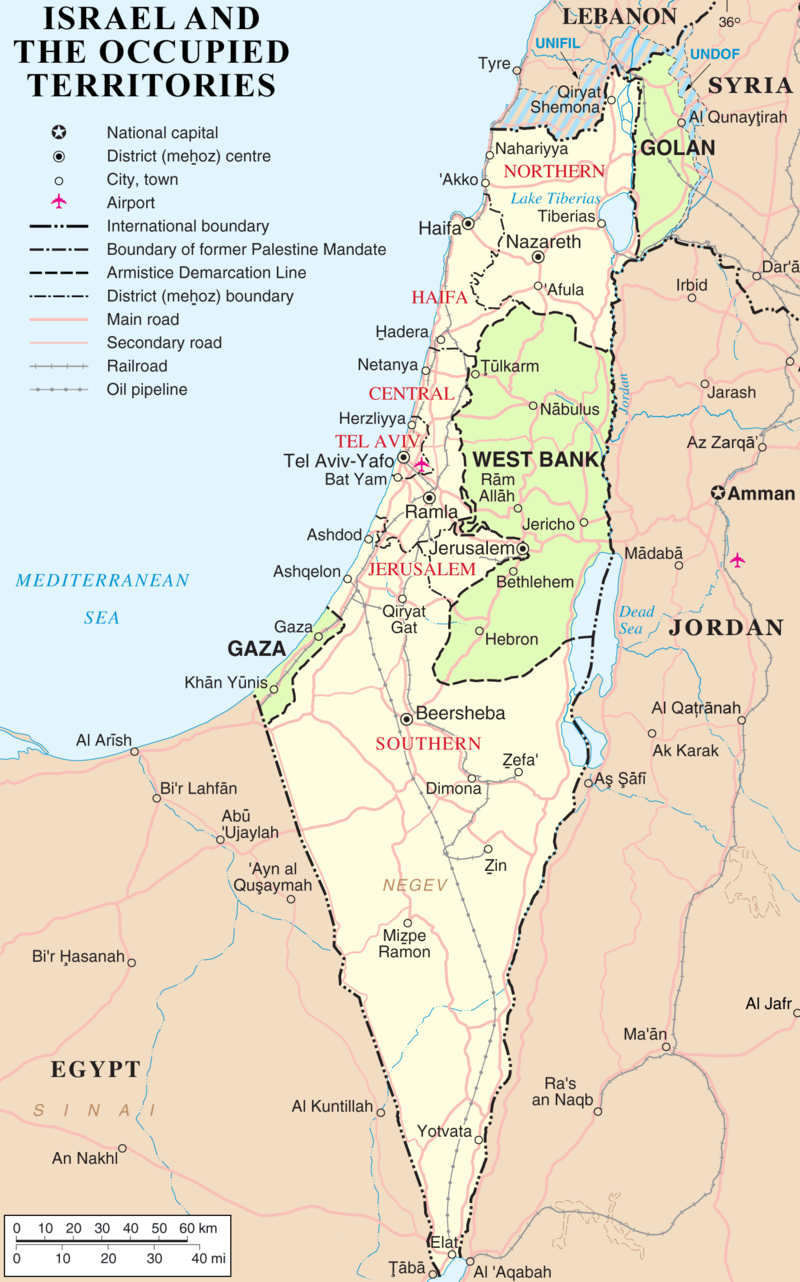
Dispensationalism wrongly focuses on a land promise for ethnic Israel, missing the true promise: Abraham’s descendants inheriting the world through faith in Christ. This promise isn’t about a physical land, but about global spiritual inheritance through Christ. The church’s mission is worldwide, not focused on giving land to Israel.