Temple Theology
-

After thirteen chapters of “better” — better priest, better covenant, better sacrifice — Hebrews 13 lands in the ordinary: love one another, welcome strangers, be content, go outside the camp. Jesus Christ is the same yesterday, today, and forever. His work needs no supplement. The God of peace, who raised the great Shepherd by the…
-
The cloud of witnesses from Hebrews 11 is now in the stands — and we are on the track. Hebrews 12 moves from that gallery to the discipline of training to the destination that changes everything: not Sinai with its terror, but Zion with its joy. We have come to the heavenly Jerusalem, the assembly…
-

They built arks, left homelands, and offered sons on the basis of promises they would not live to receive. Hebrews 11 parades these witnesses before us not as ethnic heroes but as people who looked past the earthly to the heavenly — strangers and exiles reaching for a city God himself designed. They were looking…
-

There were no chairs in the tabernacle — the priests stood because the work was never done. Christ sat down. Hebrews 10 presses that image to its conclusion: one sacrifice, sin dealt with once for all, the veil torn open, the way into God’s presence clear. Draw near. Hold fast. Press on together. We are…
-

Once a year, the high priest went behind the veil alone, with borrowed blood, for a reprieve that would need repeating. Christ entered the Most Holy Place with his own blood and obtained eternal redemption — once, not annually. Hebrews 9 declares the sacrifice final, the covenant in effect, and the veil torn. There is…
-

God quotes himself in Hebrews 8, calling his own covenant faulty and announcing its replacement. The new covenant is better in every way — administered by a better priest in the true heavenly sanctuary, written on hearts rather than stone, and open to all who believe. The old is obsolete. There is no going back.
-

Melchizedek appears once in Genesis — no genealogy, no death, no successor — and disappears. A thousand years later, Psalm 110 names him as the type of the eternal priest. Hebrews 7 pulls that thread hard: Christ’s priesthood is confirmed by God’s own oath, held permanently, and saves completely. The Levitical system was always pointing…
-

Israel never entered the rest God promised — not because the land was too far, but because unbelief kept them out. Hebrews 3–6 declares that the true rest, the true priesthood, and the true sanctuary are all found in Christ alone — the forerunner who has entered the veil and stays. The shadows borrowed their…
-

The opening verses of Hebrews crash over you: God has spoken his final Word — not in fragments, but in a Son who is the radiance of his glory, the heir of all things, seated in majesty. Everything the church needs to know about Israel, covenant, and inheritance is answered here. In him. Completely. Once…
-

Three overlapping maps—redemptive history, the Tabernacle, and Israel’s seven feasts—reveal one territory. Spring feasts (Passover, Unleavened Bread, Firstfruits) embody “oughtness”; Pentecost sits at the center in “not-ness”; fall feasts (Trumpets, Atonement, Tabernacles) point to “will-be-ness.” We live in the growing season between Firstfruits and final harvest, with the Spirit.
-

God gave Israel not just laws but a sacred calendar. The seven feasts of Leviticus 23 form a fractal of redemptive history—Creation in spring, the Spirit at Pentecost, and coming Restoration in fall—all fulfilled or awaiting fulfillment in Christ with perfect precision.
-
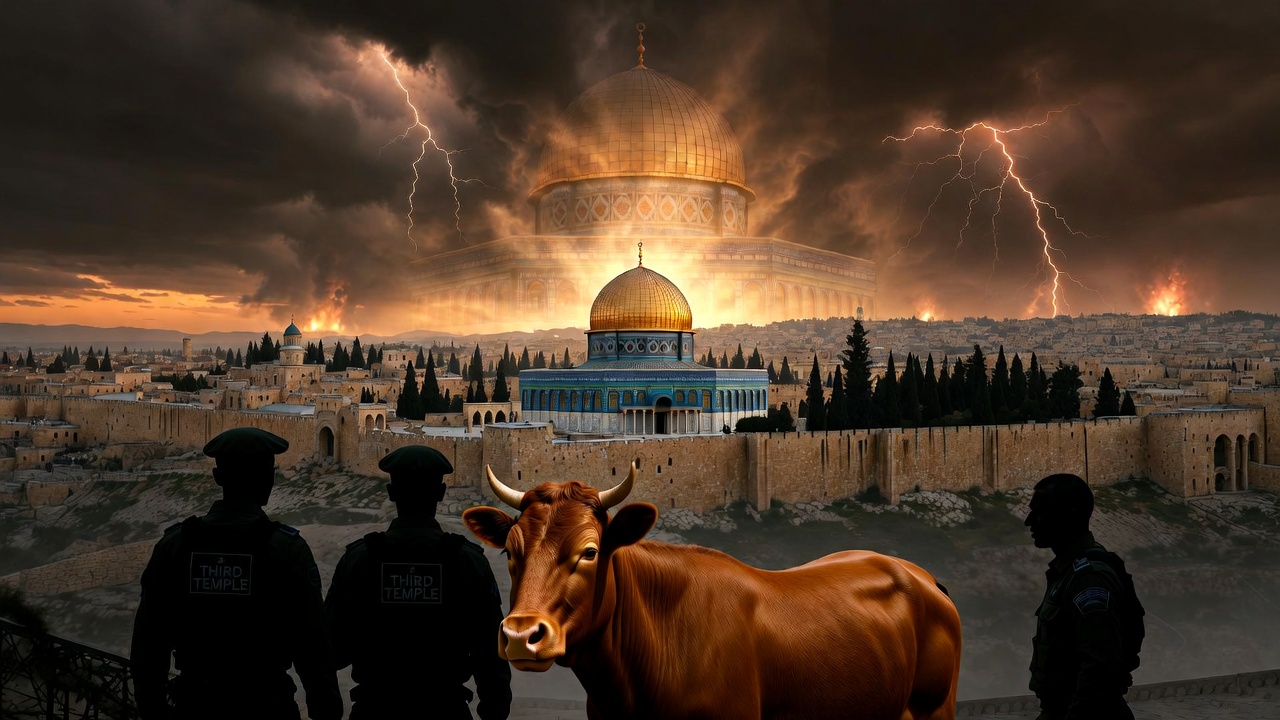
The series is complete — preparations documented, alliance mapped, theology examined, Scripture heard. This final post asks: what now? Five practical steps for the church: teach Christ’s present reign boldly, center the finished cross, pray for Israel’s gospel salvation, reject fear-based prophecy speculation, and live as the true Temple and one new humanity in Christ.
-
This post names what dispensationalism costs when it collides with real life: a functional denial of Christ’s current reign, a collision with the one new humanity the new covenant creates, the promotion of idolatry in unbelieving Israel, and real-world dangers when millions are taught that Middle East conflict is prophetically necessary. The hope of the…
-
After examining the alliance, the numbers, and the dispensational framework, this post lets Scripture speak without the filter. Jesus has all authority now. He is seated and reigning. The true Temple is his people. The sacrifice is finished. The King is on the throne — not waiting for a building project in Jerusalem.
-
Dispensational premillennialism rests on a single claim: God’s kingdom plan for Israel was postponed when they rejected Christ, inserting the church age as a temporary parenthesis. This post unpacks how the system works, the proof texts it relies on, and why even progressive dispensationalists admit the current reign of Christ is — in their view…
-
CUFI has more organized members than there are Jewish people in the United States. 73% of evangelicals tie current Middle East events to Revelation. 62% of pastors expect a literal Third Temple. This post maps the scale of the movement, the sharp generational divide already underway, and why the numbers insulate a flawed theology from…
-
Behind the Temple Institute’s preparations stands a coordinated alliance: American megachurch pastors, Christian Zionist organizations with 10 million members, and dedicated Jewish Temple activists. This post maps the network, distinguishes it from Chabad’s very different approach, and explains why the partnership normalizes treating active military conflict as prophetic progress.
-
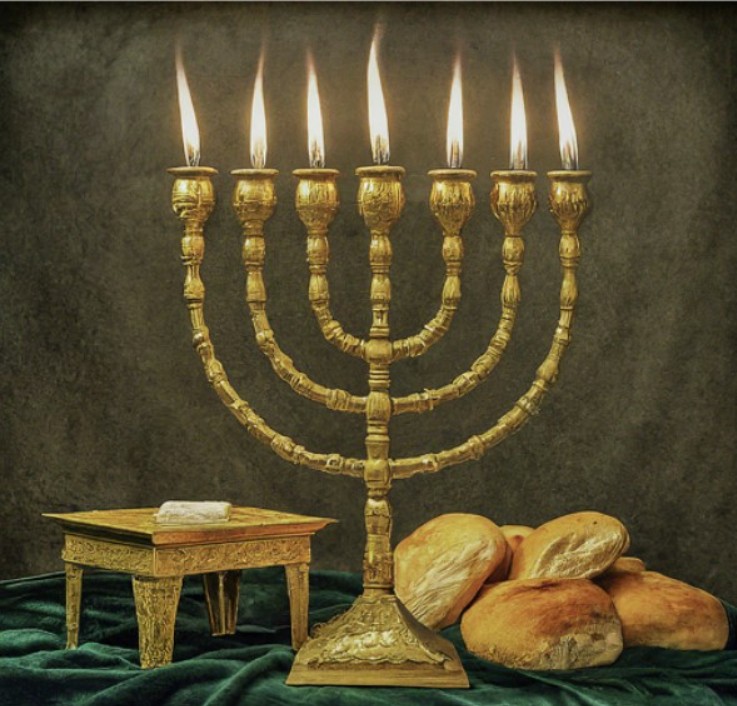
In a Jerusalem museum, a golden menorah waits. Sacred vessels, priestly garments, trained priests, and red heifer candidates are ready. The Temple Institute calls it an “advanced preparatory phase.” This post documents what has been built, who is driving it, and why a specific theological system — dispensational premillennialism — treats it all as prophetically…
-
A pastor calls for a missile strike on the Dome of the Rock. IDF soldiers wear Third Temple patches. Ten million organized evangelicals fund preparations in Jerusalem. This series examines the theological system behind it all — dispensational premillennialism — and the biblical case for why the King is already on the throne.
-

The Old Testament’s tabernacle and priesthood were temporary shadows pointing to Jesus, the true heavenly temple and eternal priest in the order of Melchizedek. Clinging to these copies, like valuing a replica over the original, risks denying Christ’s sufficient sacrifice, undermining the eternal reality He fulfills.