Faith
-

Luke is the only Gentile author in the New Testament — and he knows it. Writing to Theophilus, he builds his Gospel around a single insistence: the salvation God prepared through Israel was always meant for the ends of the earth. Simeon sees it at the cradle. A Roman centurion demonstrates it in Capernaum. A…
-
Mark is the shortest Gospel and the most urgent — a breathless account of Jesus on the move. But even in its compressed urgency, Mark makes room for Gentiles at every turn. A Syrophoenician mother. A Roman centurion. A temple meant for all nations. Mark’s Jesus is always bursting the ethnic boundaries his contemporaries tried…
-
Matthew opens with a genealogy and closes with a commission — and between those two bookends, he systematically dismantles the idea that God’s covenant belongs to one ethnic group. Jesus is Israel fulfilled, and the kingdom he inaugurates has no borders that blood can draw.
-
Dispensationalism’s controlling presupposition is that Israel is an ethnic group to whom God owes distinct, unfulfilled promises — and that these promises cannot be transferred to the church. From Darby to Scofield to progressive dispensationalists, the ethnic anchor holds. This post names that presupposition clearly, examines its key claims, and shows why the New Testament…
-
A reference appendix for the Defining Israel series — collecting the primary quotes from dispensational theologians, classical and progressive, that define Israel as an ethnic group and ground God’s covenant promises in physical descent from Abraham. Darby, Scofield, Chafer, Walvoord, Ryrie, Saucy, Bock, Blaising — with sources, context, and a summary table.
-
This series takes you on a book-by-book journey through the New Testament to answer one defining question: Who is Israel? We’ll see how God’s promises to Abraham find their fulfillment not in ethnic lineage, but in Jesus Christ — and in all who are united to Him by faith. Jews and Gentiles together, one people,…
-

Logos and Wisdom, united in Jesus Christ, shape our identity as His bride, the Church, and guide our lives. As the Second Adam, Christ redeems; His Church reflects His truth. These truths inspire seeking wisdom, building community, and proclaiming the gospel, fulfilling God’s redemptive plan.
-

Logos and Wisdom shape language, thought, and truth, uniting in Jesus Christ. Logos, God’s Word, creates and reveals; Wisdom guides with divine order. Together, they bridge divine and human, influencing communication, reasoning, and living God’s truth, inviting us into a relationship reflecting His glory.
-

Logos and Wisdom reveal God’s truth, converging in Jesus, but differ in origin and role. Logos, rooted in Greek philosophy, is Christ as God’s personal Word. Wisdom, from Hebrew tradition, personifies God’s guidance. Their distinctions enrich understanding of divine revelation across creation, incarnation, and righteous living.
-

The post explores martyrdom’s relevance in a post-Christian society, where diluted faith contributes to spiritual decline. Citing Revelation 6:9-11 and Hebrews 12:1-2, it emphasizes God’s sovereignty over martyrdom and events like those on September 10, urging Christians to embrace this reality without despair, trusting in God’s purposeful plan.
-

A “helpful Jesus” who affirms without challenging offers a false gospel, detached from His redemptive work. True salvation requires repentance and faith in Christ, the authoritative Savior who fulfills God’s plan, balancing love and justice. A customizable Jesus is a worthless Savior, unable to reconcile us to God.
-
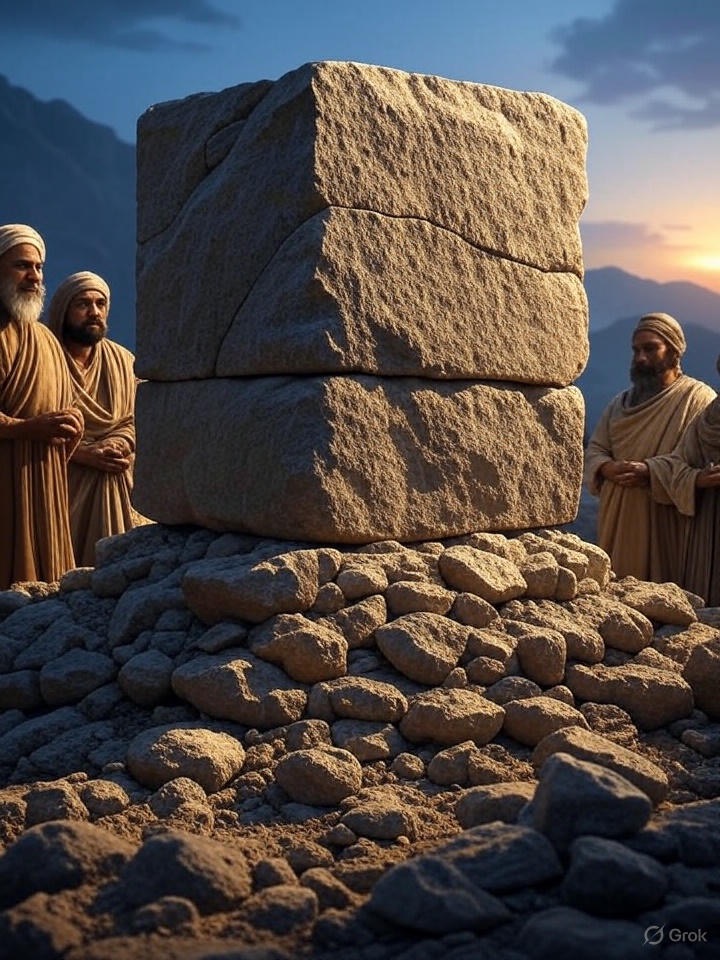
Isaiah 49 presents the Messiah as God’s true Servant, “Israel,” contrasting with the unfaithful nation. Jesus fulfills Israel’s mission, bringing salvation globally. Rejected by Israel, He becomes the cornerstone. God’s wrath targets Messiah-rejectors, not Israel itself. True Israel comprises those reborn in Christ, regardless of ethnicity.
-

Lions in Scripture symbolize strength, danger, royalty, and divine purpose, appearing over 150 times. From Samson’s triumph to Daniel’s deliverance in the lions’ den, they reflect God’s power and judgment. Daniel 6 foreshadows Christ, the “Lion of Judah,” who conquers sin, turning the lion’s roar of judgment into salvation’s victory.
-

Christian theology centers on God’s love and redemption while condemning sin, highlighting the need for salvation due to human imperfection. Jesus’s sacrifice offers hope, reconciling believers with God through faith, not deeds, leading to eternal life.
-

2 Peter 3:9 is often cited to argue for universal salvation, but its context, tied to the Great Flood narrative in Genesis, suggests God’s selective salvation. The flood story, structured chiastically, shows God saving only Noah’s family, highlighting divine favor and judgment, not universal salvation.
-
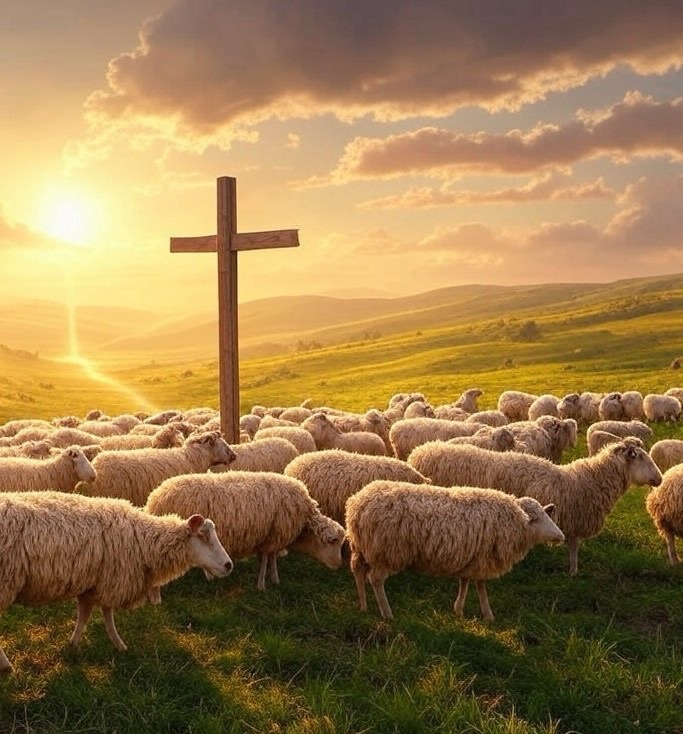
The Bible illustrates redemption through three metaphors: rebirth, resurrection, and the shepherd-sheep relationship, all emphasizing God’s sovereignty. Belief is not the cause but a sign of divine life. Trust lies in Christ’s claim, not our decision.
-

The post explores the theological concept of “land” in biblical context, emphasizing its shift from a specific territory in the Old Testament to a broader, global promise in the New Testament, highlighting its role as a shadow of divine promises fulfilled universally through Christ.
-

The Reformed perspective on government emphasizes divine order, advocating for justice and resistance against tyranny, while recognizing government as ordained by God for good. It integrates faith with governance, advocating for a society reflecting divine principles, yet challenges government to adhere to divine law.
-
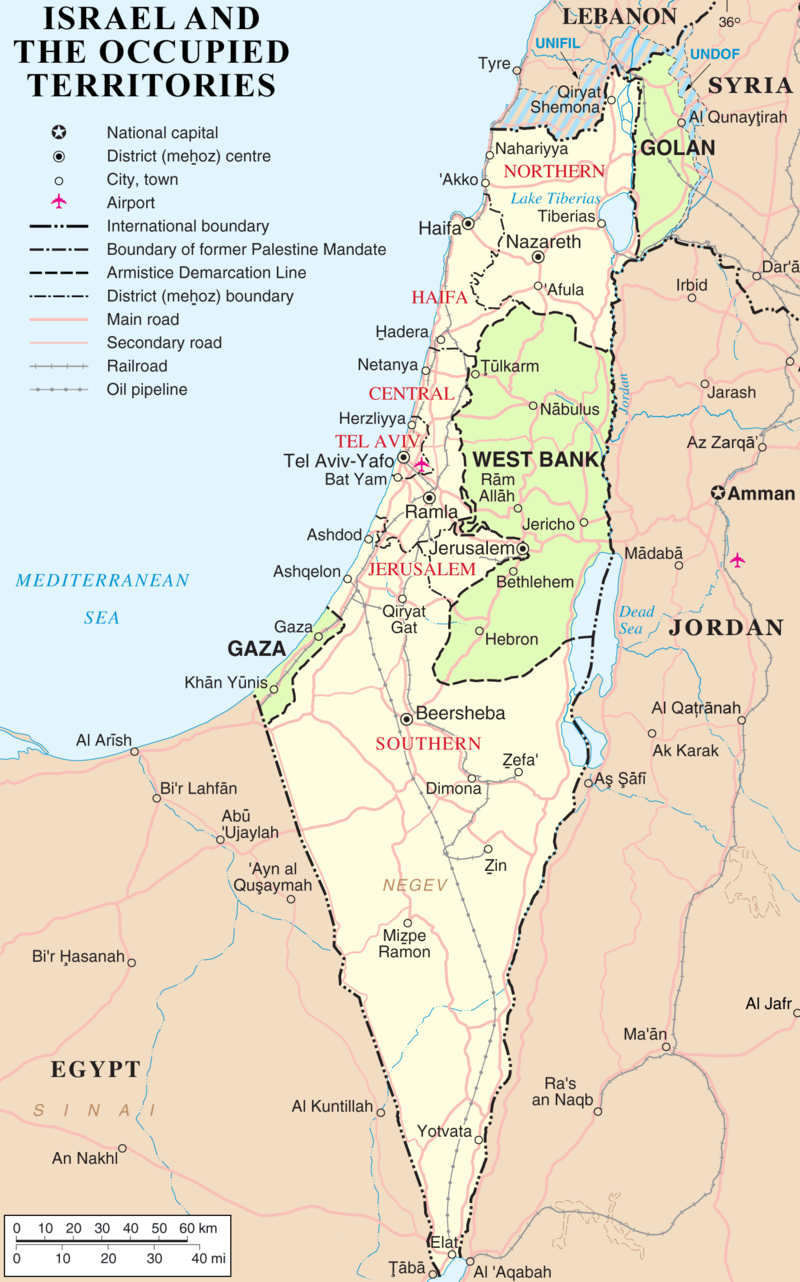
Dispensationalism wrongly focuses on a land promise for ethnic Israel, missing the true promise: Abraham’s descendants inheriting the world through faith in Christ. This promise isn’t about a physical land, but about global spiritual inheritance through Christ. The church’s mission is worldwide, not focused on giving land to Israel.
-

This YouTube series offers a comprehensive exploration of the Canons of Dort, a pivotal document in Reformed theology. The series covers the five main points of the Canons of Dort, often remembered by the acronym TULIP: Total Depravity, Unconditional Election, Limited Atonement, Irresistible Grace, and Perseverance of the Saints.