Biblical Theology
-

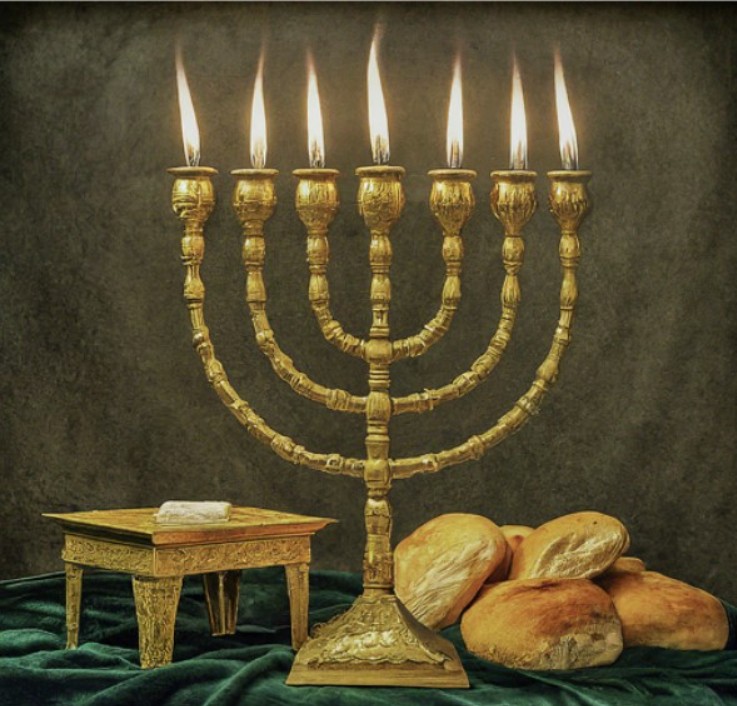
Three overlapping maps—redemptive history, the Tabernacle, and Israel’s seven feasts—reveal one territory. Spring feasts (Passover, Unleavened Bread, Firstfruits) embody “oughtness”; Pentecost sits at the center in “not-ness”; fall feasts (Trumpets, Atonement, Tabernacles) point to “will-be-ness.” We live in the growing season between Firstfruits and final harvest, with the Spirit.
-

Everyone who hesitated because “fractal” sounded too academic — this post is for you. Bob breaks down fractals in plain English using a fern, a snowflake, and three words: Creation, Fracture, Restoration. The reader who feels out of their depth is exactly the beta reader he needs most.
-
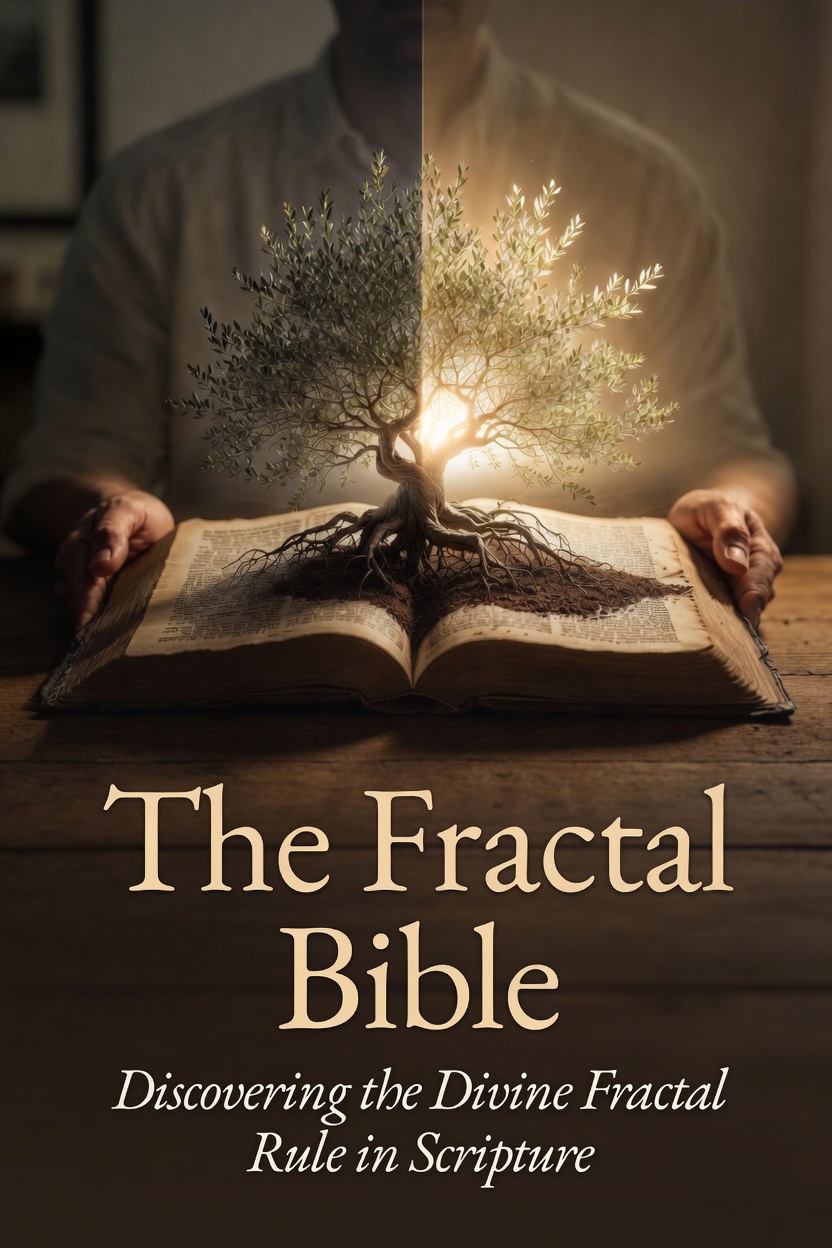
I’m thrilled to share the full manuscript of The Fractal Bible. The book reveals a breathtaking fractal pattern woven through Scripture: Creation → Fracture → Restoration. I’m seeking 20–30 honest beta readers for candid feedback by June 30, 2026. Your thoughts will shape the final book and you’ll receive a free EPUB in return.
-
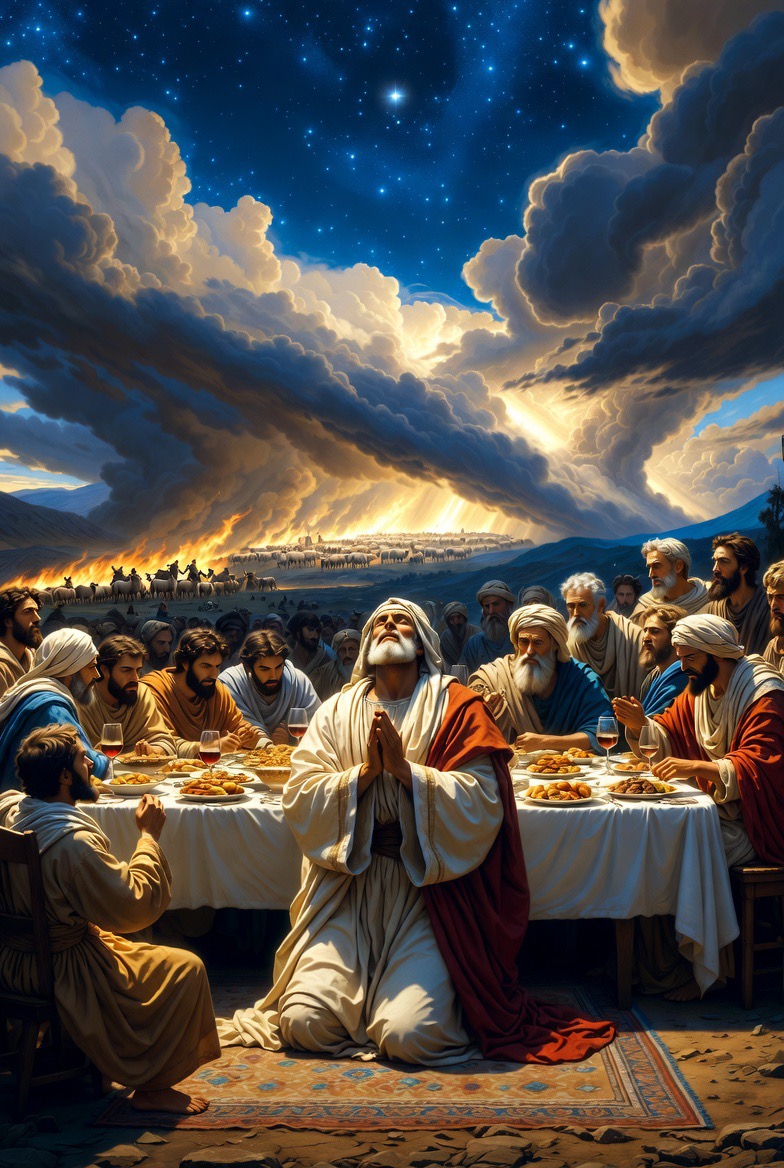
Job’s trials, mediator cry, vindication, and restoration typologically foreshadow Christ’s sinless suffering, intercession, resurrection, and exaltation. Key NT fulfillments highlight the cross as theodicy’s resolution. Discontinuities (Job’s rebuke vs. Christ’s perfection) underscore Christ’s superiority. Job becomes a hopeful story of trust leading to glory.
-
Jesus and the apostles teach that the entire Old Testament points to Christ (Luke 24:27; John 5:39; 1 Peter 1:10–12). This unified narrative—types, shadows, promises—culminates in Jesus, providing the foundation for reading Job as a Christocentric book of suffering and redemption.
-
Critiques of Job-as-Christ typology include dating issues, inferred links, wisdom-genre focus, and individual vs. communal emphasis. Scriptural refinements (progressive revelation, patterns, NT motifs) strengthen it while respecting discontinuities. Job is chastised; Christ never is—typology illuminates but does not equate.
-
A post-exilic context reframes Job as encouragement amid national judgment, contrasting Israel’s deserved exile with innocent suffering. Job as everyman expands to universal scope, foreshadowing Christ’s humiliation-to-exaltation arc. Parallels are strong yet limited: earthly/temporary restoration vs. Christ’s eternal, cosmic victory.
-
Job’s patriarchal feel and outsider status parallel Melchizedek, suggesting pre-Abrahamic Messianic depth. His atypical innocent suffering ordained by God prefigures Christ’s cross, yet Job’s humble rebuke differs from Christ’s perfect submission. This “early” lens highlights universal redemption pointing beyond Israel to Jesus.
-
Scholars debate whether Job is patriarchal-era (pre-Israelite customs) or post-exilic (linguistic Aramaisms, exile themes). Both views enrich its Messianic foreshadowing: early emphasizes timeless prophecy; late universalizes restoration. Typology remains positive but limited, with Job’s correction contrasting Christ’s sinless obedience.
-
The book’s ending reframes everything: human understanding is partial; God’s ways are unsearchable yet righteous. Job positively foreshadows Christ in innocent suffering and restoration, but discontinuities (Job’s rebuke vs. Christ’s perfection) show him as a true yet incomplete shadow pointing to Jesus, the ultimate Man of Sorrows.
-
From heavenly wager to whirlwind revelation, Job loses everything yet remains faithful. Three cycles of debate with friends push retributive theology; Elihu offers insight; God speaks from the storm, humbling Job. The epilogue restores him doubly, dismantling easy answers and emphasizing trust in God’s mysterious sovereignty.
-
Job passionately defends his right to lament against Eliphaz’s sin-causation theory, describing unbearable grief and unreliable friends. He cries out to God about endless toil and fragility, while Bildad insists on retributive justice. These chapters highlight raw pain, questionable comfort, and the tension between suffering and simplistic explanations.
-
The Book of Job challenges humanistic views of God by showing His sovereign permission of suffering in a blameless man’s life. It demands we know the whole God—both terrifying justice and gracious love—revealed in Scripture. The series explores Job as a positive but limited shadow of Christ, the perfect Sufferer and Redeemer.
-

Week 12 concludes the Journey Through Daniel, synthesizing God’s sovereignty, judgment, vindication, and eternal kingdom. Daniel’s visions connect Eden’s exile to Christ’s redemption, urging faithful living in a “Babylon” world. Trusting God’s plan, we proclaim His gospel, awaiting the new creation.
-

Launching the Journey Through Daniel, Week 1 explores Daniel 1’s exile context and Matthew 9:1-8, emphasizing God’s sovereignty. Daniel’s faithfulness amid Babylonian pressure showcases biblical theology’s unified redemption story, pointing to Christ. Historical events reveal spiritual truths, inspiring trust in God’s plan.
-
G.K. Beale’s “eschatology precedes soteriology” frames salvation as God’s cosmic restoration, from Eden to Christ’s resurrection. Daniel’s visions of empires, the Son of Man, and resurrection align with this, revealing God’s sovereign plan. Salvation is participation in God’s eternal kingdom, inspiring hope and purpose.
-

Lions in Scripture symbolize strength, danger, royalty, and divine purpose, appearing over 150 times. From Samson’s triumph to Daniel’s deliverance in the lions’ den, they reflect God’s power and judgment. Daniel 6 foreshadows Christ, the “Lion of Judah,” who conquers sin, turning the lion’s roar of judgment into salvation’s victory.
-

In “The Fire of Judgment,” Daniel’s encounters with fire reveal God’s sovereignty, transforming human tyranny into divine deliverance. From the fiery furnace to the blazing throne, fire symbolizes judgment, purification, and God’s presence, echoing across Scripture. It points to Christ’s victory, blending wrath and redemption in a cosmic symphony of flame.