end times
-
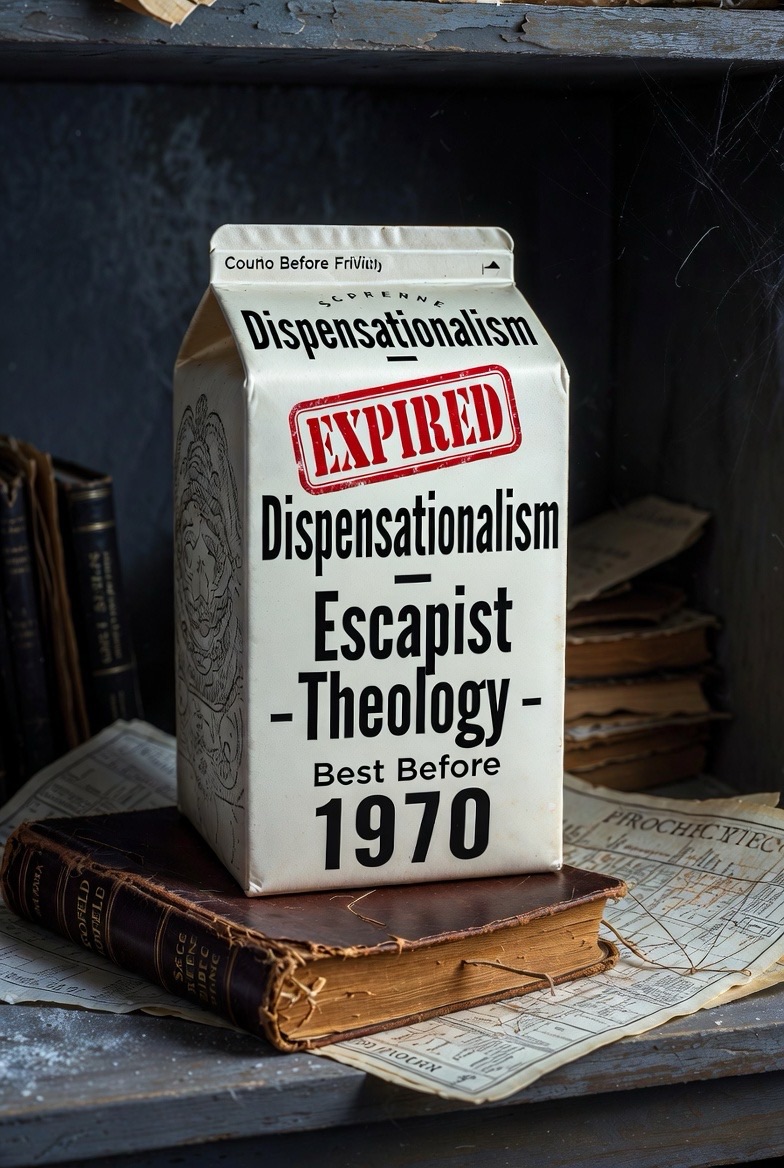
Daniel Hummel’s The Rise and Fall of Dispensationalism reveals how this theology surged in post-Civil War America by giving evangelicals a powerful escape from deep racial wounds. Through rapture promises and a postponed kingdom, it sidestepped painful realities. Today, amid George Floyd echoes and Israel-Iran tensions, younger generations see its cultural usefulness has fully expired.
-

This introductory post launches a series on Daniel Hummel’s The Rise and Fall of Dispensationalism, highlighting its origins, meteoric rise, decline, and profound influence on American evangelicalism. Amid recent Iran war discussions, it emphasizes dispensationalism’s marketed, politically charged nature—beyond theology—as a cultural and commercial force shaping politics, missions, popular culture, and end-times views.
-
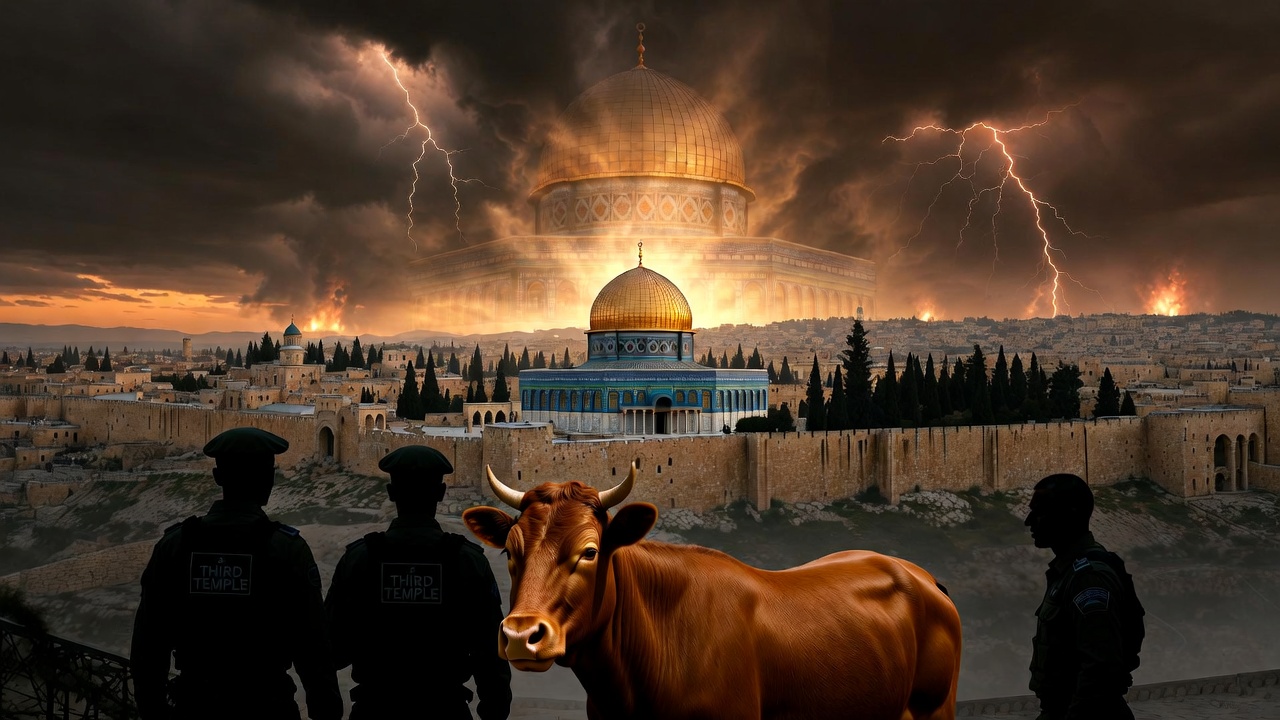
The series is complete — preparations documented, alliance mapped, theology examined, Scripture heard. This final post asks: what now? Five practical steps for the church: teach Christ’s present reign boldly, center the finished cross, pray for Israel’s gospel salvation, reject fear-based prophecy speculation, and live as the true Temple and one new humanity in Christ.
-
This post names what dispensationalism costs when it collides with real life: a functional denial of Christ’s current reign, a collision with the one new humanity the new covenant creates, the promotion of idolatry in unbelieving Israel, and real-world dangers when millions are taught that Middle East conflict is prophetically necessary. The hope of the…
-
After examining the alliance, the numbers, and the dispensational framework, this post lets Scripture speak without the filter. Jesus has all authority now. He is seated and reigning. The true Temple is his people. The sacrifice is finished. The King is on the throne — not waiting for a building project in Jerusalem.
-
Dispensational premillennialism rests on a single claim: God’s kingdom plan for Israel was postponed when they rejected Christ, inserting the church age as a temporary parenthesis. This post unpacks how the system works, the proof texts it relies on, and why even progressive dispensationalists admit the current reign of Christ is — in their view…
-
CUFI has more organized members than there are Jewish people in the United States. 73% of evangelicals tie current Middle East events to Revelation. 62% of pastors expect a literal Third Temple. This post maps the scale of the movement, the sharp generational divide already underway, and why the numbers insulate a flawed theology from…
-
Behind the Temple Institute’s preparations stands a coordinated alliance: American megachurch pastors, Christian Zionist organizations with 10 million members, and dedicated Jewish Temple activists. This post maps the network, distinguishes it from Chabad’s very different approach, and explains why the partnership normalizes treating active military conflict as prophetic progress.
-
In a Jerusalem museum, a golden menorah waits. Sacred vessels, priestly garments, trained priests, and red heifer candidates are ready. The Temple Institute calls it an “advanced preparatory phase.” This post documents what has been built, who is driving it, and why a specific theological system — dispensational premillennialism — treats it all as prophetically…
-
A pastor calls for a missile strike on the Dome of the Rock. IDF soldiers wear Third Temple patches. Ten million organized evangelicals fund preparations in Jerusalem. This series examines the theological system behind it all — dispensational premillennialism — and the biblical case for why the King is already on the throne.
-

G.K. Beale’s “eschatology precedes soteriology” means God’s end-times plan (eschatology) shapes salvation (soteriology). From Eden to Christ’s resurrection, the goal is a renewed creation. Salvation isn’t just personal forgiveness—it’s joining God’s cosmic restoration, where the kingdom of God and new creation are the ultimate aim, already begun but not yet complete.