Israel
-

Romans is Paul’s most sustained theological argument, and at its heart is a question he cannot avoid: if the gospel is for everyone who believes, what happens to the promises God made to Israel? Paul’s answer dismantles ethnic privilege from every angle — justification, Abraham’s fatherhood, circumcision, the olive tree, the remnant. Romans doesn’t just…
-
Acts doesn’t argue for the inclusion of the Gentiles — it shows it happening, event by event, city by city, in real time. A wind fills a room in Jerusalem. A Roman officer receives the Holy Spirit. A council in Jerusalem settles the question the whole church had been asking. Acts is the story of…
-
John doesn’t begin with a genealogy or a birth story. He begins before creation: “In the beginning was the Word.” From that opening note, everything in John operates at maximum theological depth — and that includes his demolition of ethnic religion. The true light enlightens everyone. God’s children are born not of blood but of…
-
Luke is the only Gentile author in the New Testament — and he knows it. Writing to Theophilus, he builds his Gospel around a single insistence: the salvation God prepared through Israel was always meant for the ends of the earth. Simeon sees it at the cradle. A Roman centurion demonstrates it in Capernaum. A…
-
Mark is the shortest Gospel and the most urgent — a breathless account of Jesus on the move. But even in its compressed urgency, Mark makes room for Gentiles at every turn. A Syrophoenician mother. A Roman centurion. A temple meant for all nations. Mark’s Jesus is always bursting the ethnic boundaries his contemporaries tried…
-
Matthew opens with a genealogy and closes with a commission — and between those two bookends, he systematically dismantles the idea that God’s covenant belongs to one ethnic group. Jesus is Israel fulfilled, and the kingdom he inaugurates has no borders that blood can draw.
-
Dispensationalism’s controlling presupposition is that Israel is an ethnic group to whom God owes distinct, unfulfilled promises — and that these promises cannot be transferred to the church. From Darby to Scofield to progressive dispensationalists, the ethnic anchor holds. This post names that presupposition clearly, examines its key claims, and shows why the New Testament…
-
A reference appendix for the Defining Israel series — collecting the primary quotes from dispensational theologians, classical and progressive, that define Israel as an ethnic group and ground God’s covenant promises in physical descent from Abraham. Darby, Scofield, Chafer, Walvoord, Ryrie, Saucy, Bock, Blaising — with sources, context, and a summary table.
-
This series takes you on a book-by-book journey through the New Testament to answer one defining question: Who is Israel? We’ll see how God’s promises to Abraham find their fulfillment not in ethnic lineage, but in Jesus Christ — and in all who are united to Him by faith. Jews and Gentiles together, one people,…
-

Explore the diverse eschatological perspectives within Christianity, including amillennialism, postmillennialism, and historic premillennialism. Understand how these views differ from dispensationalism in their interpretation of biblical prophecy and the nature of the Millennium, providing a broader context for understanding its unique contribution and challenges.
-

Figs, Arks, and Faith explores how Jeremiah 24:4-10’s good figs, Noah’s ark, and John 3:16’s universal gospel reveal God’s plan to preserve a faithful remnant. Paul’s Romans 9-11 shows this remnant, defined by faith, expands from Israel to all creation through Christ, the ultimate ark, uniting the church.
-
Explore the various critiques leveled against dispensationalism, from its literal interpretation of Scripture and distinct roles for Israel and the Church to its perceived historical inaccuracies and practical implications. Examine how dispensationalists have responded to these challenges and adapted their theology.
-
Explore the fascinating relationship between dispensationalism and American politics, including its influence on Christian Zionism, the rise of the Religious Right, and foreign policy perspectives. Discover how dispensationalist beliefs have motivated political activism and shaped political discourse.
-

Isaiah 49 presents the Messiah as God’s true Servant, “Israel,” contrasting with the unfaithful nation. Jesus fulfills Israel’s mission, bringing salvation globally. Rejected by Israel, He becomes the cornerstone. God’s wrath targets Messiah-rejectors, not Israel itself. True Israel comprises those reborn in Christ, regardless of ethnicity.
-
Although its peak influence has passed, dispensationalism continues to shape evangelical theology, American culture, and global perspectives on end-times events. Explore its lasting impact on how Christians interpret the Bible, engage with politics, and consume popular culture.
-
Dispensationalism’s literal interpretation of Scripture and its sharp distinction between Israel and the Church shape its unique views on end-times events. Explore its core doctrines, including the Rapture, Tribulation, and Millennium, and understand how they influence evangelical theology and global perspectives.
-
Explore the origins of dispensationalism, a theological system that divides history into distinct periods with unique divine revelations. Learn how this perspective, pioneered by John Nelson Darby, shapes interpretations of biblical prophecy and the roles of Israel and the Church.
-

The post explores the theological concept of “land” in biblical context, emphasizing its shift from a specific territory in the Old Testament to a broader, global promise in the New Testament, highlighting its role as a shadow of divine promises fulfilled universally through Christ.
-

Dispensationalism wrongly insists on a future rebuilt temple for ethnic Israel. This contradicts Jesus, who fulfilled the temple’s purpose as God’s dwelling place. The church’s mission is to make Israel jealous for Christ, not their outdated temple. The temple is gone, and Christ is our focus.
-
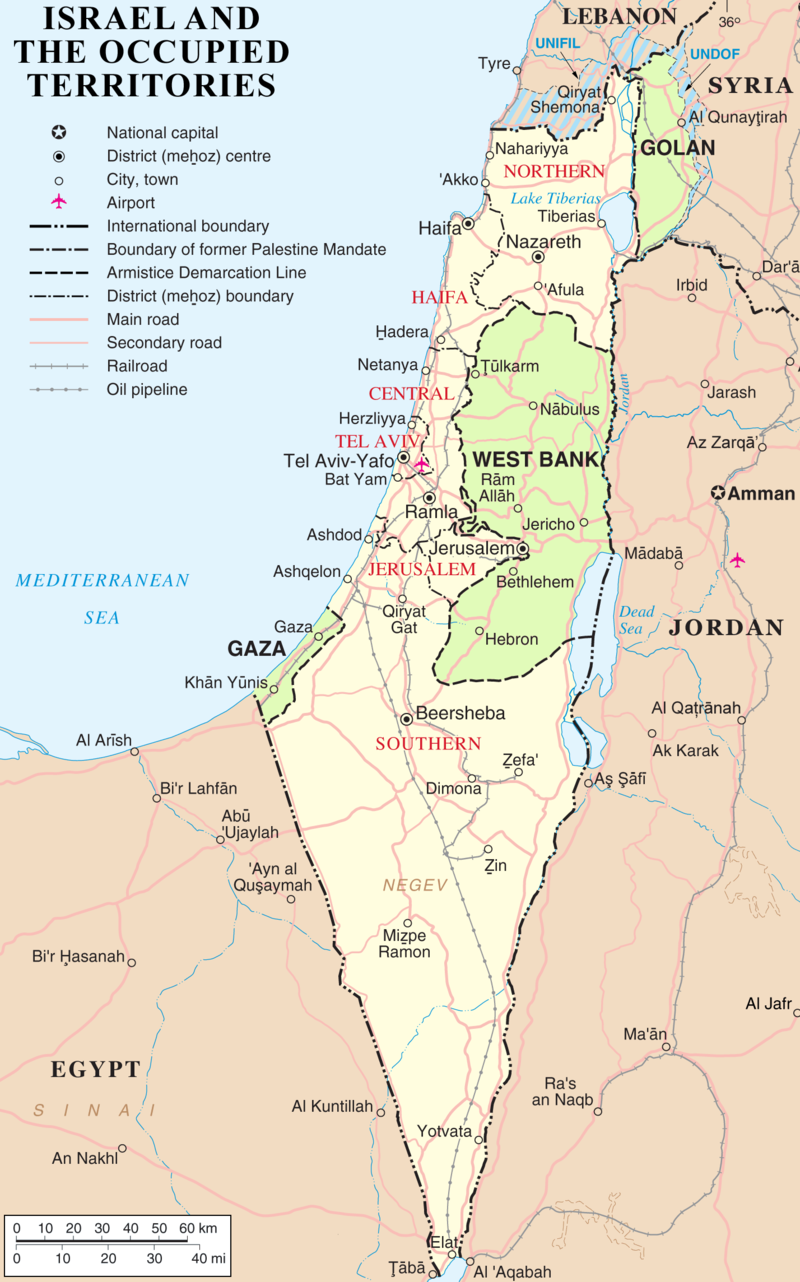
Dispensationalism wrongly focuses on a land promise for ethnic Israel, missing the true promise: Abraham’s descendants inheriting the world through faith in Christ. This promise isn’t about a physical land, but about global spiritual inheritance through Christ. The church’s mission is worldwide, not focused on giving land to Israel.