redemption
-

Logos and Wisdom, united in Jesus Christ, shape our identity as His bride, the Church, and guide our lives. As the Second Adam, Christ redeems; His Church reflects His truth. These truths inspire seeking wisdom, building community, and proclaiming the gospel, fulfilling God’s redemptive plan.
-
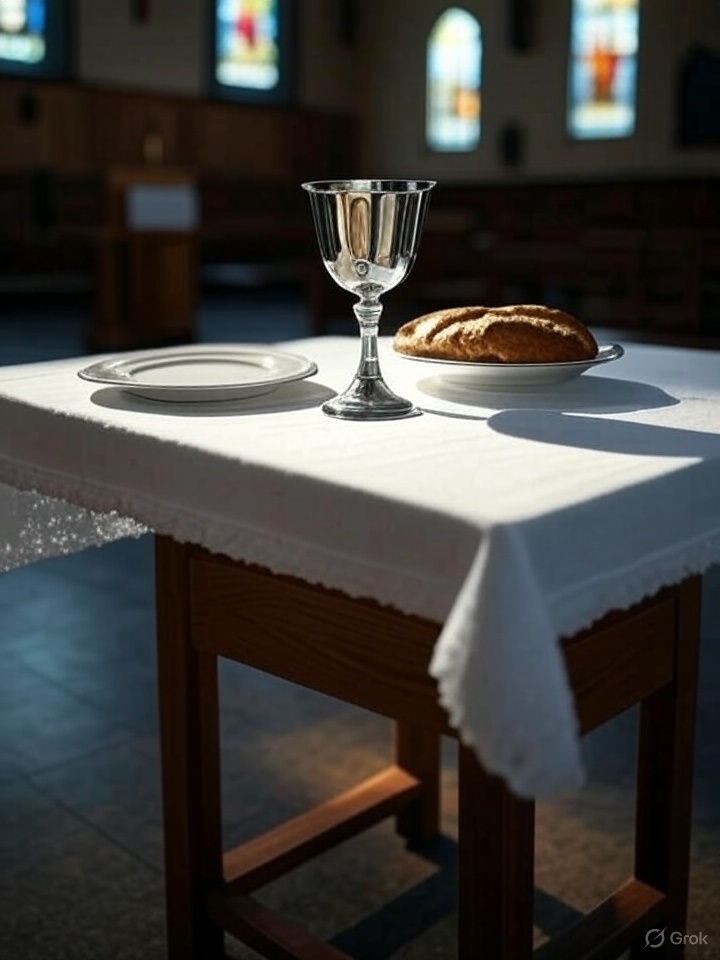
Jesus, as Logos and Wisdom, is the Second Adam, surpassing the first Adam. The Church, born from His pierced side, is His bride, echoing Eve from Adam. This typology, tied to Wisdom’s call, reveals God’s redemptive plan, uniting humanity with Christ to reflect His truth and mission.
-

Week 11 explores typology, showing how Daniel’s fiery furnace, lions’ den, and Son of Man prefigure Christ’s death and resurrection. Hamilton’s insights reveal Scripture’s unity, centering on Jesus, strengthening faith in God’s redemptive plan.
-

Week 6 explores Daniel 9’s 70 weeks prophecy, a 490-year timeline culminating in Christ’s atonement. Tied to Jeremiah’s exile and Leviticus’s Jubilee, it reveals God’s sovereign redemption. Preterist and symbolic views center on Jesus, urging vigilance (Matthew 24:15).
-
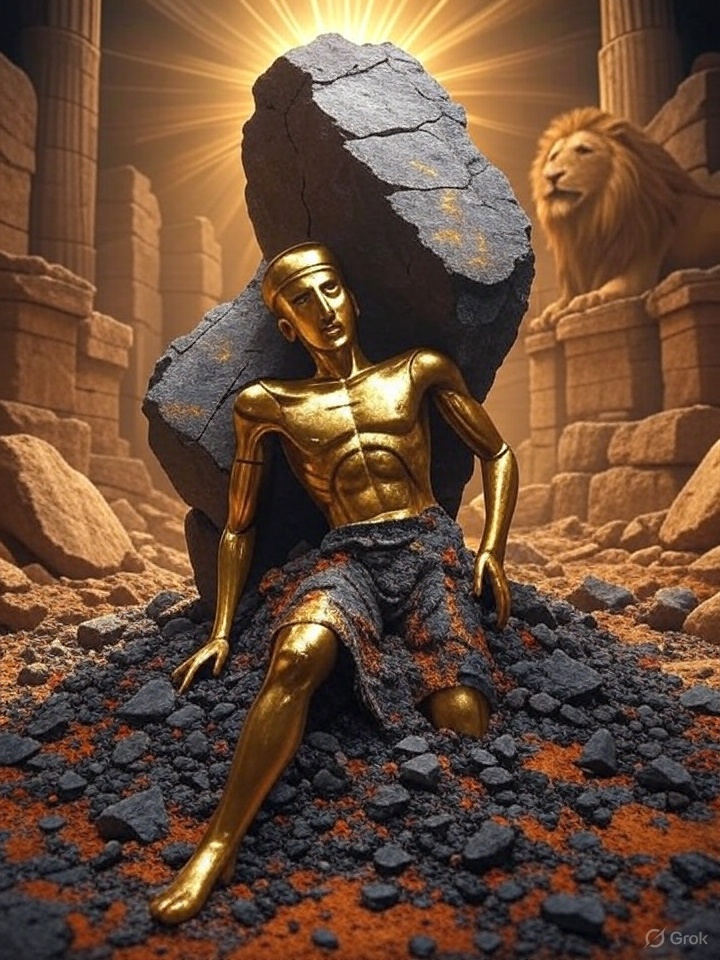
Week 2 examines Daniel 2’s statue, symbolizing empires (Babylon to Rome) crushed by Christ’s eternal kingdom. Exile, rooted in Deuteronomy 4, disciplines Israel for redemption. Daniel, an exilic prophet, bridges Old Testament promises to Christ, revealing God’s sovereign plan over history.
-

Launching the Journey Through Daniel, Week 1 explores Daniel 1’s exile context and Matthew 9:1-8, emphasizing God’s sovereignty. Daniel’s faithfulness amid Babylonian pressure showcases biblical theology’s unified redemption story, pointing to Christ. Historical events reveal spiritual truths, inspiring trust in God’s plan.
-

A “helpful Jesus” who affirms without challenging offers a false gospel, detached from His redemptive work. True salvation requires repentance and faith in Christ, the authoritative Savior who fulfills God’s plan, balancing love and justice. A customizable Jesus is a worthless Savior, unable to reconcile us to God.
-

Figs, Arks, and Faith explores how Jeremiah 24:4-10’s good figs, Noah’s ark, and John 3:16’s universal gospel reveal God’s plan to preserve a faithful remnant. Paul’s Romans 9-11 shows this remnant, defined by faith, expands from Israel to all creation through Christ, the ultimate ark, uniting the church.
-

Jesus, the Son of Man, perfectly submitted to the Father’s sovereign will, fulfilling the covenant of redemption. Scripture, from Genesis to Revelation, affirms God’s sovereignty in salvation, challenging human-centric views. Christ’s sinless obedience and atoning death demonstrate that divine sovereignty and human responsibility coexist, securing salvation for God’s chosen.
-

John 3 mirrors Genesis 1-3 with themes of new creation, light vs. darkness, life vs. death, and redemption through the Spirit and Jesus’ sacrifice, paralleling the serpent’s role. Characters like God/Jesus and humanity (Nicodemus) reflect divine initiative and transformation, offering a cosmic narrative of restoration from chaos to order.
-
The call of Jeremiah in Jeremiah 1:4–5 is striking: “Before I formed you in the womb I knew you, and before you were born I consecrated you; I have appointed you a prophet to the nations”. This passage reveals God’s intimate, preordained plan for Jeremiah’s life, extending beyond his physical existence. But is this divine…
-
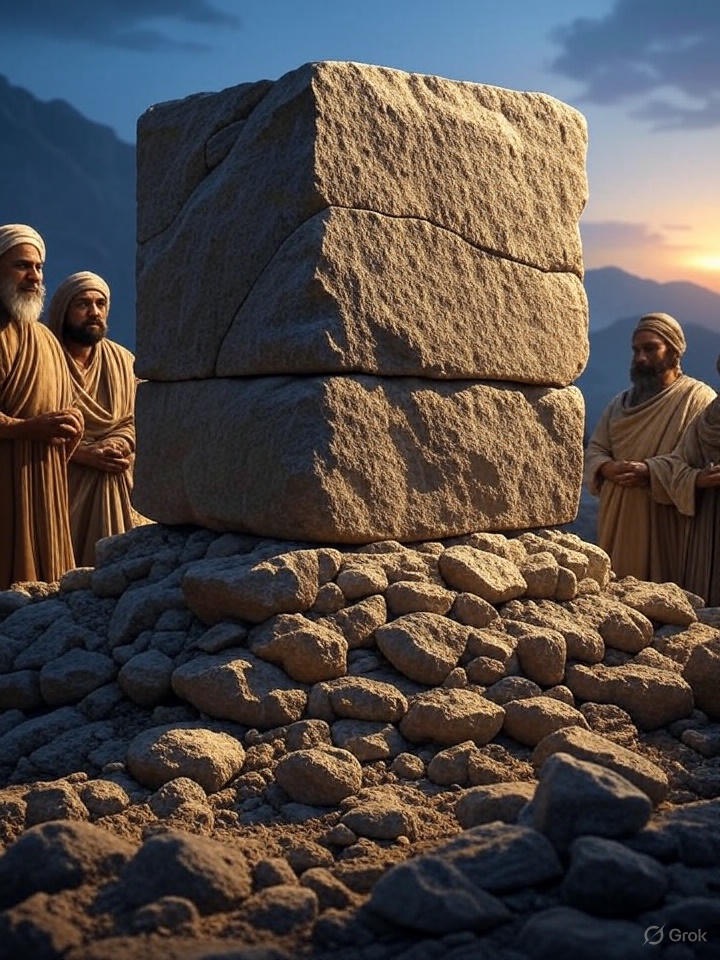
Isaiah 49 presents the Messiah as God’s true Servant, “Israel,” contrasting with the unfaithful nation. Jesus fulfills Israel’s mission, bringing salvation globally. Rejected by Israel, He becomes the cornerstone. God’s wrath targets Messiah-rejectors, not Israel itself. True Israel comprises those reborn in Christ, regardless of ethnicity.
-

Proverbs 25:21–22 urges kindness to enemies, “heaping burning coals” to stir conviction or judgment. Romans 12:20–21 echoes this, emphasizing overcoming evil with good. Christ’s sacrifice absorbs judgment, freeing us to love boldly, trusting God with outcomes while promising divine reward for faithfulness.
-

The Old Testament’s tabernacle and priesthood were temporary shadows pointing to Jesus, the true heavenly temple and eternal priest in the order of Melchizedek. Clinging to these copies, like valuing a replica over the original, risks denying Christ’s sufficient sacrifice, undermining the eternal reality He fulfills.
-
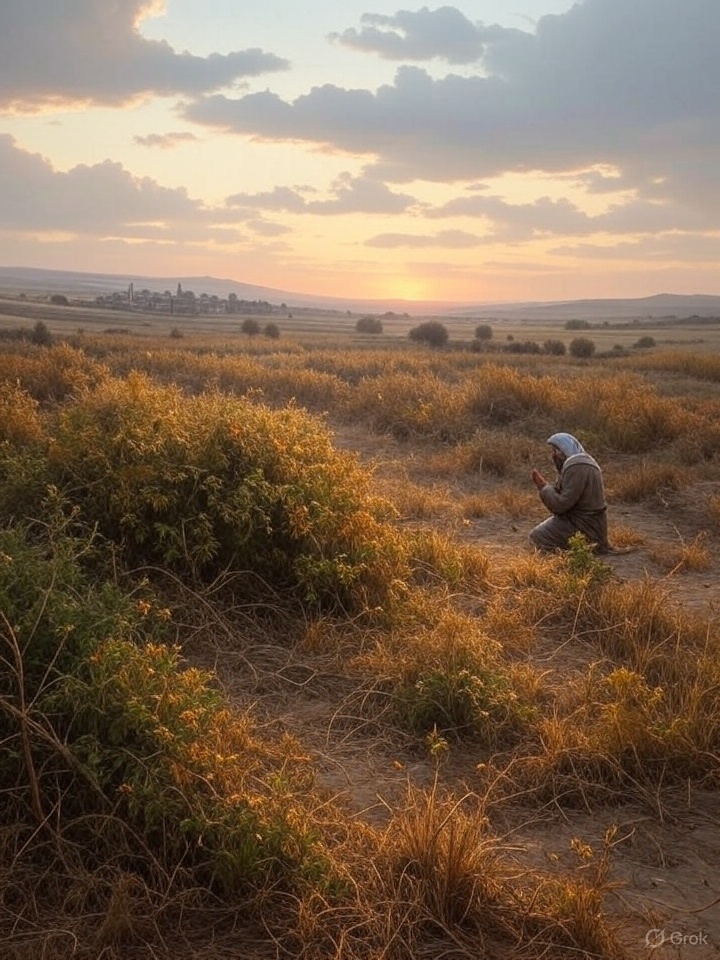
In Daniel 9, the Babylonian exile reflects Judah’s failure to observe the Sabbath rest for the land, as detailed in 2 Chronicles 36:20-21. For 70 years, the land rested, fulfilling God’s command and Jeremiah’s prophecy. This story highlights God’s judgment, faithfulness, and call to trust His provision through obedience.
-

Lions in Scripture symbolize strength, danger, royalty, and divine purpose, appearing over 150 times. From Samson’s triumph to Daniel’s deliverance in the lions’ den, they reflect God’s power and judgment. Daniel 6 foreshadows Christ, the “Lion of Judah,” who conquers sin, turning the lion’s roar of judgment into salvation’s victory.
-

G.K. Beale’s “eschatology precedes soteriology” means God’s end-times plan (eschatology) shapes salvation (soteriology). From Eden to Christ’s resurrection, the goal is a renewed creation. Salvation isn’t just personal forgiveness—it’s joining God’s cosmic restoration, where the kingdom of God and new creation are the ultimate aim, already begun but not yet complete.
-

God foresaw Israel’s disobedience, predicting their exile in scriptures like Deuteronomy and Jeremiah. This failure set the stage for Jesus Christ, the true Israel, who fulfilled the covenant through perfect obedience, redeeming humanity. Christ’s victory turned exile into restoration, gathering all nations into God’s family through His life, death, and resurrection.
-

Christian theology centers on God’s love and redemption while condemning sin, highlighting the need for salvation due to human imperfection. Jesus’s sacrifice offers hope, reconciling believers with God through faith, not deeds, leading to eternal life.
-

The story of Cain and Abel in Genesis explores human struggles with sin, jealousy, and the consequences of our actions. Cain’s murder of Abel illustrates sin’s destructive power when unchecked. This theme is echoed in Eve’s curse and Peter’s trial, highlighting humanity’s need for divine intervention through Christ for redemption and victory over sin.