Misc & Random
-

John 3 mirrors Genesis 1-3 with themes of new creation, light vs. darkness, life vs. death, and redemption through the Spirit and Jesus’ sacrifice, paralleling the serpent’s role. Characters like God/Jesus and humanity (Nicodemus) reflect divine initiative and transformation, offering a cosmic narrative of restoration from chaos to order.
-
The call of Jeremiah in Jeremiah 1:4–5 is striking: “Before I formed you in the womb I knew you, and before you were born I consecrated you; I have appointed you a prophet to the nations”. This passage reveals God’s intimate, preordained plan for Jeremiah’s life, extending beyond his physical existence. But is this divine…
-
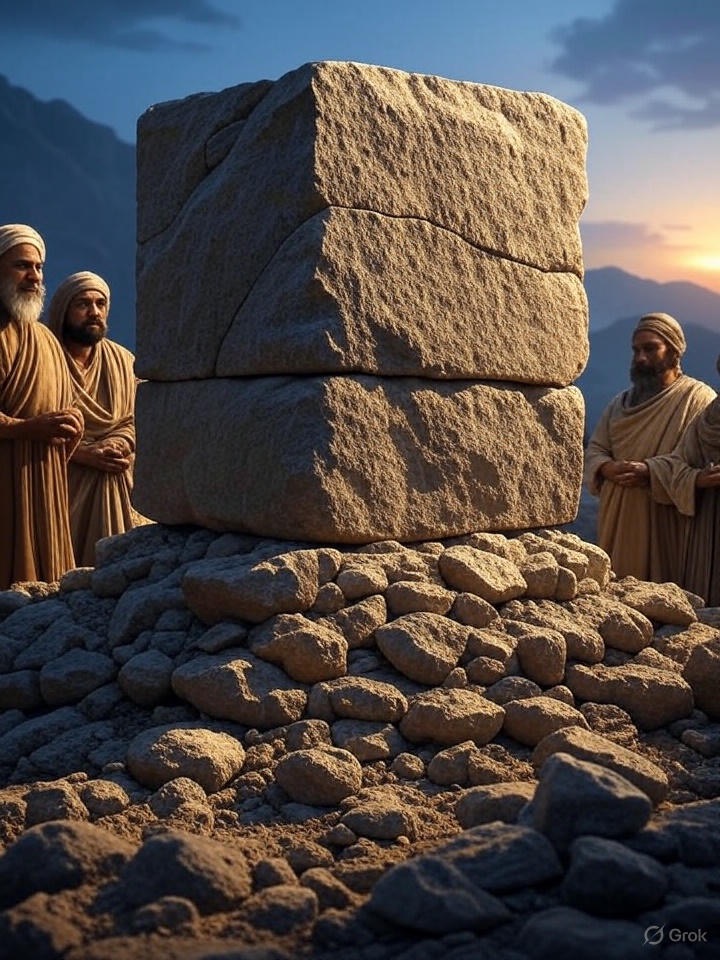
Isaiah 49 presents the Messiah as God’s true Servant, “Israel,” contrasting with the unfaithful nation. Jesus fulfills Israel’s mission, bringing salvation globally. Rejected by Israel, He becomes the cornerstone. God’s wrath targets Messiah-rejectors, not Israel itself. True Israel comprises those reborn in Christ, regardless of ethnicity.
-

Proverbs 25:21–22 urges kindness to enemies, “heaping burning coals” to stir conviction or judgment. Romans 12:20–21 echoes this, emphasizing overcoming evil with good. Christ’s sacrifice absorbs judgment, freeing us to love boldly, trusting God with outcomes while promising divine reward for faithfulness.
-

The story of Cain and Abel in Genesis explores human struggles with sin, jealousy, and the consequences of our actions. Cain’s murder of Abel illustrates sin’s destructive power when unchecked. This theme is echoed in Eve’s curse and Peter’s trial, highlighting humanity’s need for divine intervention through Christ for redemption and victory over sin.
-
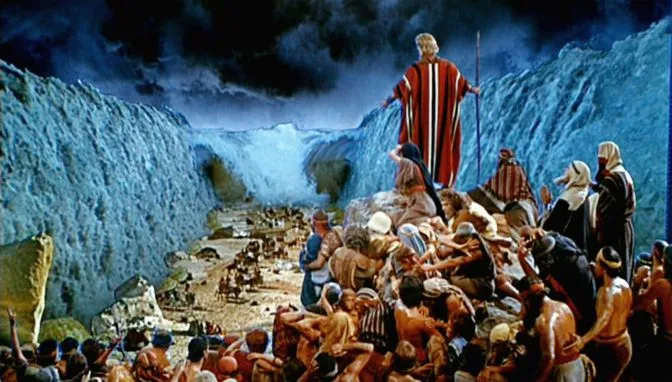
Baptism signifies God’s covenantal work, not human effort. It parallels Old Testament circumcision, both pointing to Christ’s redemption. Both are acts of divine grace, symbolizing judgment and salvation.
-

2 Peter 3:9 is often cited to argue for universal salvation, but its context, tied to the Great Flood narrative in Genesis, suggests God’s selective salvation. The flood story, structured chiastically, shows God saving only Noah’s family, highlighting divine favor and judgment, not universal salvation.
-

Arminian’s, armed with humanist illusions, reason towards a god made in man’s image, not the sovereign Creator. Genesis 6:5 warns of human wickedness, suggesting divine redemption is needed, not human will. John 17:9 highlights Jesus praying for those given by the Father, not the world.
-

This YouTube series offers a comprehensive exploration of the Canons of Dort, a pivotal document in Reformed theology. The series covers the five main points of the Canons of Dort, often remembered by the acronym TULIP: Total Depravity, Unconditional Election, Limited Atonement, Irresistible Grace, and Perseverance of the Saints.
-

In any election year, remember that God is sovereign over nations and can humble the proud. The US may face judgment if it continues in arrogance, idolatry, and wickedness. The upcoming election may result in loss regardless of the winner if the nation doesn’t repent. The key is to acknowledge God’s sovereignty and justice, either…
-

The Church Militant (believers on Earth) and the Church Triumphant (believers in Heaven) are united in Christ. The Church Militant strives for holiness and spreads the Gospel, while the Church Triumphant enjoys eternal communion with God. Both are part of the same body, pursuing eternal life with God.
-

The gospel message transcends traditional political divides, focusing on a cosmic struggle between the citizens of Adam (fallen humanity) and the citizens of Christ (redeemed humanity). Christ’s mission is to unite His diverse Church, transcending worldly divisions. We should discern political messages based on their alignment with Christ’s unifying work and reject attempts to unite…
-

God’s judgment isn’t always dramatic and catastrophic. Sometimes, it’s subtle and unspectacular, like letting people follow their own desires and be consumed by them. In Isaiah 50:10-11, those who fear God and trust in Him are contrasted with those who kindle their own fires and rely on their own light. The latter group ultimately faces…
-

Tired of the mainstream media labeling people of faith as “weird”? Discover why this label might actually be a badge of honor! This provocative post explores the biblical roots of being “peculiar” and how it aligns with living a life dedicated to God in today’s upside-down culture. We’ll delve into the consequences of rejecting truth…
-
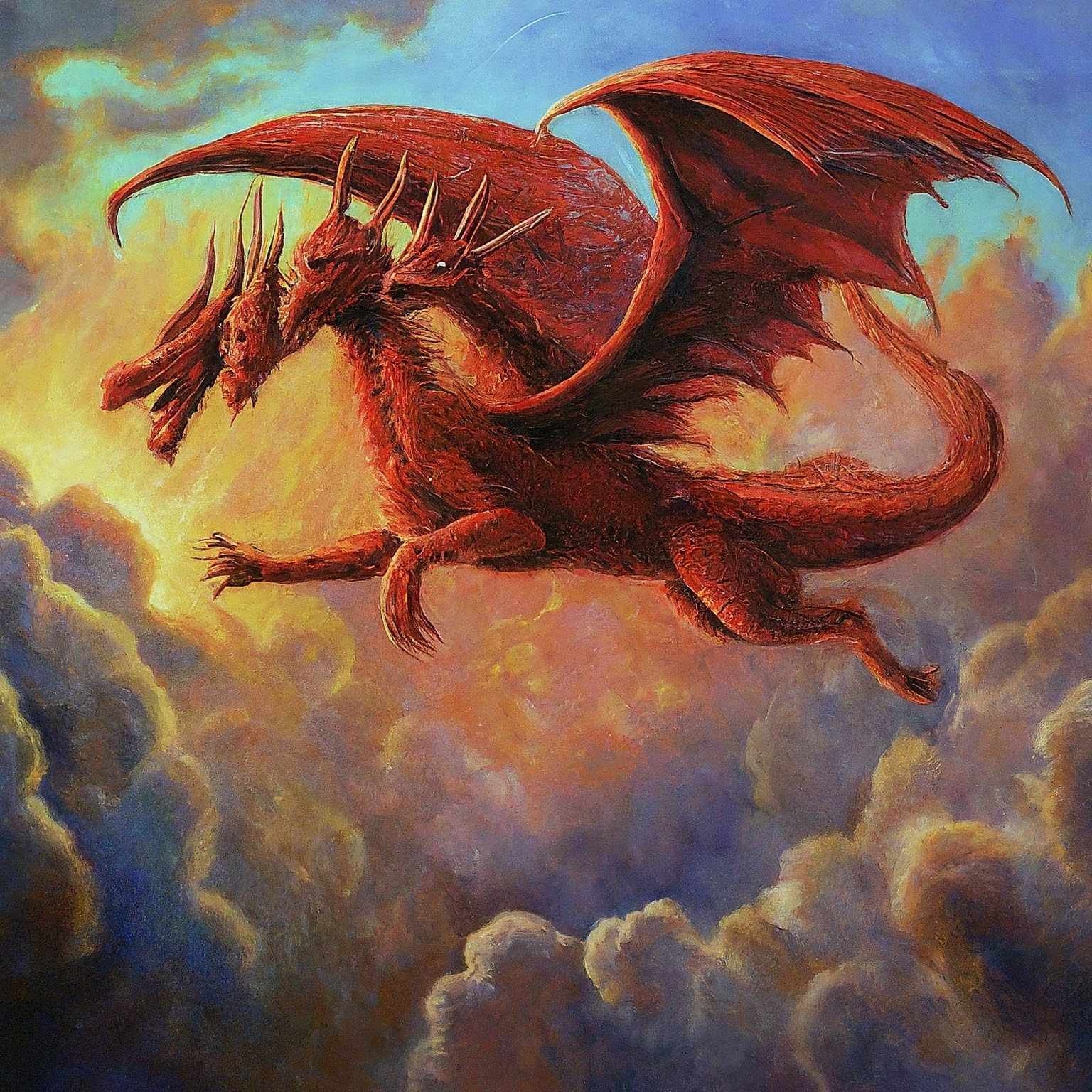
The recent drag queen Last Supper has sparked outrage among Christians. While initially angered, the author sees this as a predictable tactic of the “dragon” from the Book of Revelation, whose mission is to destroy Christ and his followers. Using Revelation as a framework, the author argues that this blasphemous display was a failed attempt…
-

God’s not done with Israel yet because God is not done with the world yet. Israel has been and is a rebellious, stiff-necked and defiant bunch. So are you and I. Separating Israel off to be their own people is a tragic goofiness that has caught up to Dispensationalism.
-

He who does not make his reign subservient to the divine glory, acts the part not of a king, but a robber.
-

Civil war, tragedy – of all sorts, a man acquainted with heartbreak. A man who also knew the goodness of God. The 4th, 5th and 6th verses mark a descent but then the 7th. Enjoy.
-

The idea that man should have to renounce the law for the source of his moral strength and for his righteousness before God contradicts at its very core the Jewish doctrine concerning the object of the law and the inner connection between law and sin.
