Misc & Random
-
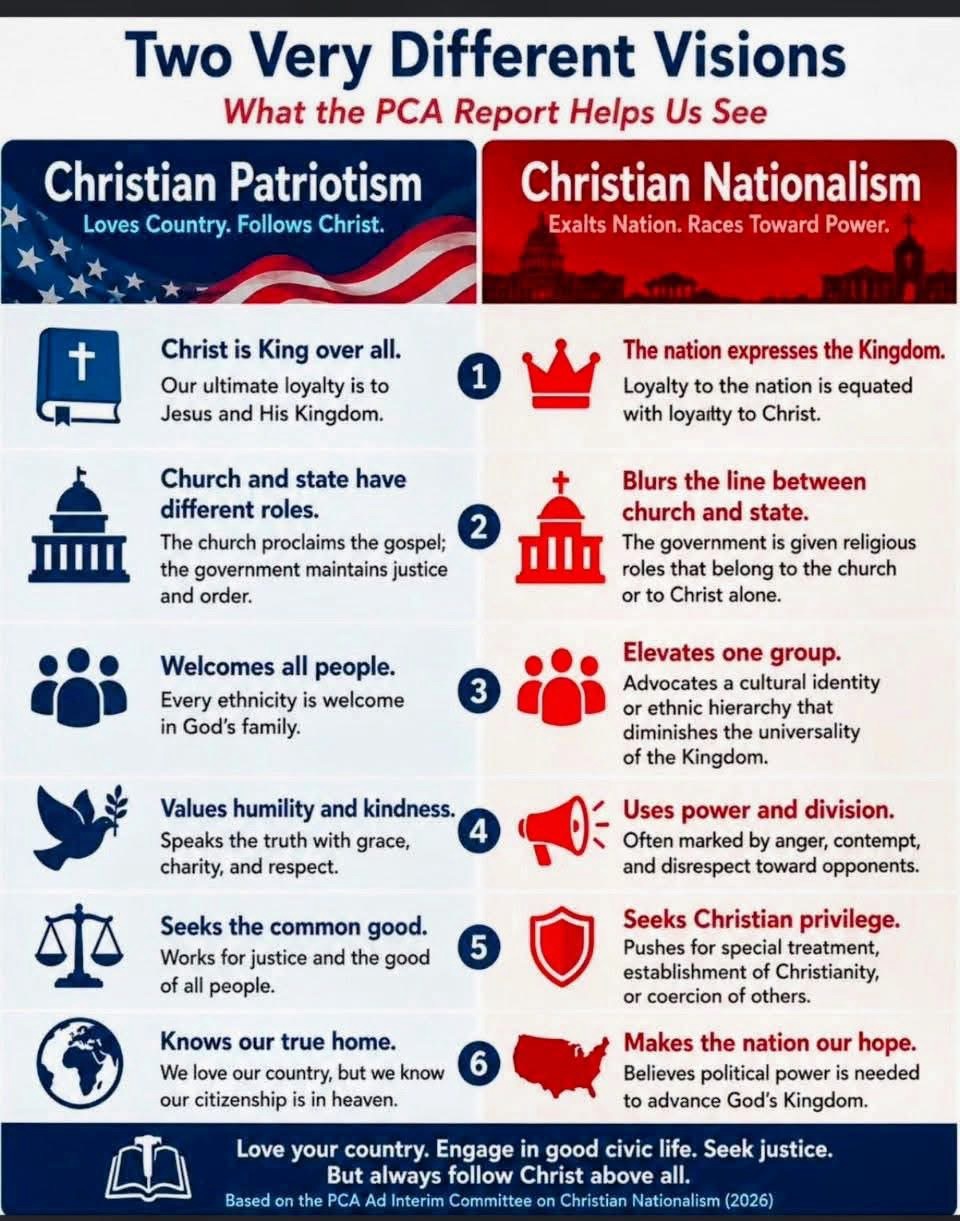
A viral six-point graphic contrasts “Christian Patriotism” with “Christian Nationalism” — but does it match what the PCA report actually says? A point-by-point check finds real agreement, a few oversimplifications, and one place where the graphic says more than the report does.
-
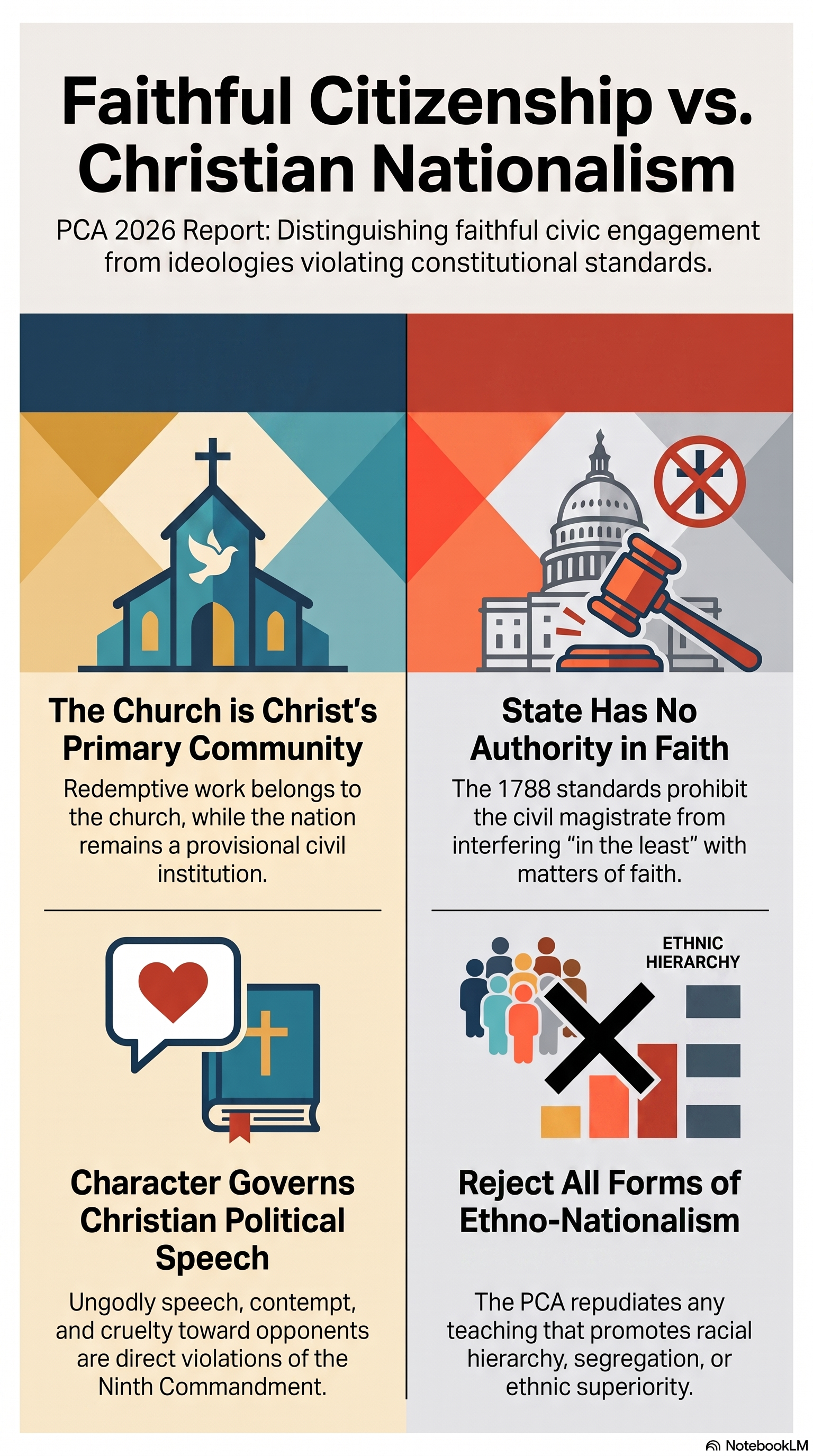
A church committee report on Christian Nationalism has sparked a debate that reaches far beyond one denomination. No seminary degree required — just the plain-language version of what’s at stake, why the PCA formed this committee, and the deeper question about faith and national loyalty behind it all.
-
The Divine Fractal — Introduction to the Fractal Bible Series by R.M. Mayes — is now available as an EPUB digital download for $4.99.
-

The Complete Fractal Bible Series 69 Posts • 8 Parts • One Divine Pattern: Creation → Fracture → Restoration ✧ • ✧ • ✧ (Click to Expand Each Section) Part 1: The Fractal Bible An Invitation to the Fractal Bible The poetic launch of the series. Scripture unfolds as a living fractal — a repeating…
-

In April, a Colorado gardener built four new 4×8 raised beds using straw, native clay, grass clippings, topsoil, and mushroom compost over existing drip irrigation. She also planted a homemade peach-pit orchard of 14 trees and is experimenting with corn and pumpkins as companions. The backyard is transforming into a productive food forest.
-

This Easter, explore how God used a deeply flawed family line—marked by adultery, murder, deception, and outsiders—to bring the Savior. A Chronological Bible reading reveals both the painful consequences of sin and the stunning reach of God’s grace, showing why the cross and empty tomb are our only hope.
-
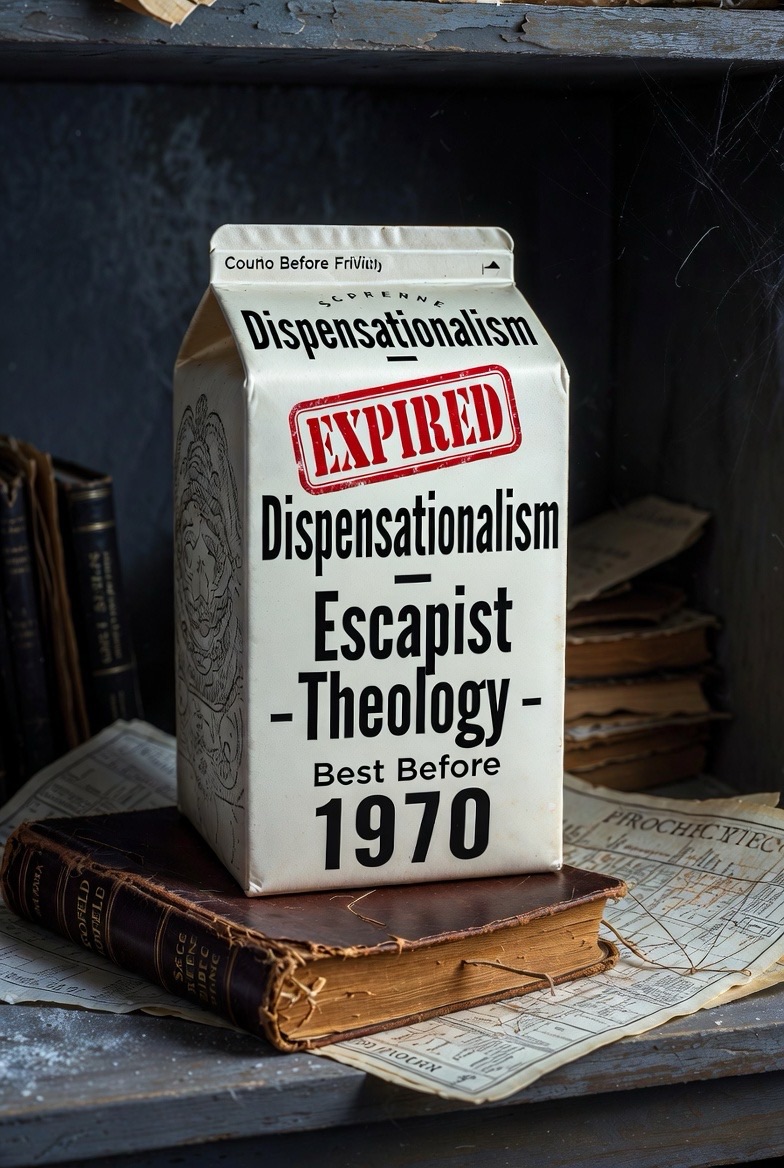
Daniel Hummel’s The Rise and Fall of Dispensationalism reveals how this theology surged in post-Civil War America by giving evangelicals a powerful escape from deep racial wounds. Through rapture promises and a postponed kingdom, it sidestepped painful realities. Today, amid George Floyd echoes and Israel-Iran tensions, younger generations see its cultural usefulness has fully expired.
-

Starting at 249 lbs on November 21, 2025, the author committed to lasting change for better health, longevity, and fitness. By February 26, 2026, they’ve lost 42.9 lbs (now 206.1 lbs), halfway to 175 lbs. This success stems from understanding keto science via six key videos, strict whole-food keto, daily exercise, 18/6 fasting, creatine, hydration,…
-

Talking donkeys grab attention, yet Balaam’s oracles reveal Scripture’s heartbeat: history is forward-oriented toward God’s telos. We don’t rebuild the past; we catalogue its lessons to build ahead. The “already but not yet” of the Star and Scepter King—Jesus—propels us into the full consummation of His eternal kingdom and new creation.
-

MAGA has become America’s new pragmatic center, blending traditional conservative and moderate Democratic values—rule of law, meritocracy, secure borders, economic nationalism—while attracting working-class voters through results-driven policies, as evidenced by 2024 election shifts and crossovers.
-

The Bible reveals God through Logos and Wisdom, divine expressions of His truth. Logos, the eternal Word (Jesus), creates and reveals God. Wisdom, personified in Proverbs, guides creation and humanity. Both, intertwined in Christ, bridge God and humanity, showcasing a unified redemptive plan across Scripture.
-

Perfect sunny November morning aboard AmaSiena: effortless private electric boat canal cruise in Amsterdam. Hilarious guide, dancing houses, Skinny Bridge legends, merchant mansions, houseboats, bicycle stats, Anne Frank House. Seamless excursion, laughter-filled, back by 11:15. Cast off for Cologne with sparkling wine on the Sun Deck.
-

After years of dreaming, we boarded AmaSiena in Amsterdam for a magical November Rhine cruise. Only 106 guests, perfect weather, and an unforgettable misty castle day even the captain photographed. 1.1 TB of 360° footage now uploading so you can relive it with us!
-

Thanksgiving’s roots lie in Pilgrim survival and Puritan gratitude amid profound loss, not abundance. From 1621’s harvest feast to Lincoln’s Civil War proclamation, it calls us to thank God after staring death down—echoed today in overflowing tables, loud families, and far too many pies.
-

In Matthew 5:17-18 Jesus declares He came to fulfill, not abolish, the Law and Prophets. His perfect obedience and sacrificial death complete the Law’s purpose, establishing the New Covenant. The Law’s moral principles endure, but ceremonial requirements are surpassed through Christ’s redemptive work, emphasizing love and grace.
-

The post explores martyrdom’s relevance in a post-Christian society, where diluted faith contributes to spiritual decline. Citing Revelation 6:9-11 and Hebrews 12:1-2, it emphasizes God’s sovereignty over martyrdom and events like those on September 10, urging Christians to embrace this reality without despair, trusting in God’s purposeful plan.
-

A “helpful Jesus” who affirms without challenging offers a false gospel, detached from His redemptive work. True salvation requires repentance and faith in Christ, the authoritative Savior who fulfills God’s plan, balancing love and justice. A customizable Jesus is a worthless Savior, unable to reconcile us to God.
-

Figs, Arks, and Faith explores how Jeremiah 24:4-10’s good figs, Noah’s ark, and John 3:16’s universal gospel reveal God’s plan to preserve a faithful remnant. Paul’s Romans 9-11 shows this remnant, defined by faith, expands from Israel to all creation through Christ, the ultimate ark, uniting the church.
-

Jesus, the Son of Man, perfectly submitted to the Father’s sovereign will, fulfilling the covenant of redemption. Scripture, from Genesis to Revelation, affirms God’s sovereignty in salvation, challenging human-centric views. Christ’s sinless obedience and atoning death demonstrate that divine sovereignty and human responsibility coexist, securing salvation for God’s chosen.
-

Jesus’ “must” statements in the Gospels, emphasizing His suffering and death as God’s deliberate plan for redemption, per Herman Ridderbos. Old Testament prophecies (Isaiah 53, Psalm 22) foretold this, showing God’s sovereignty and Jesus’ obedience. It highlights salvation’s cosmic scope and assurance for believers.