Theology
-

This is Part 15, the final post in the Creation & Origins series. Part 14 — Babel and the Origin of Language closed with mainstream linguistics running into its own reconstructive wall. This post takes up the single hardest technical problem a young-earth timeline has to answer — and it’s a problem young-earth creationists are…
-

Turretin’s Institutes, Post 9 — Topic 1, Questions XII & XIII Two more tools questions round out the “how do we actually reason theologically” cluster: can a doctrine be true and biblical even if the Bible never states it in so many words? And is philosophy an enemy of theology, a servant to it, or…
-

Turretin’s Institutes, Post 8 — Topic 1, Question XI This is where the abstract reason-versus-faith discussion from the last post gets concrete, and combustible — Turretin uses it to take a direct shot at transubstantiation. The Setup Catholic theologians defending the doctrine that the bread and wine of the Mass literally become Christ’s body and…
-

See the ladder turn inward on Judah and Israel. Greater privilege brings greater accountability — a sobering mirror that ultimately drives us to Christ, who took the full weight of judgment.
-
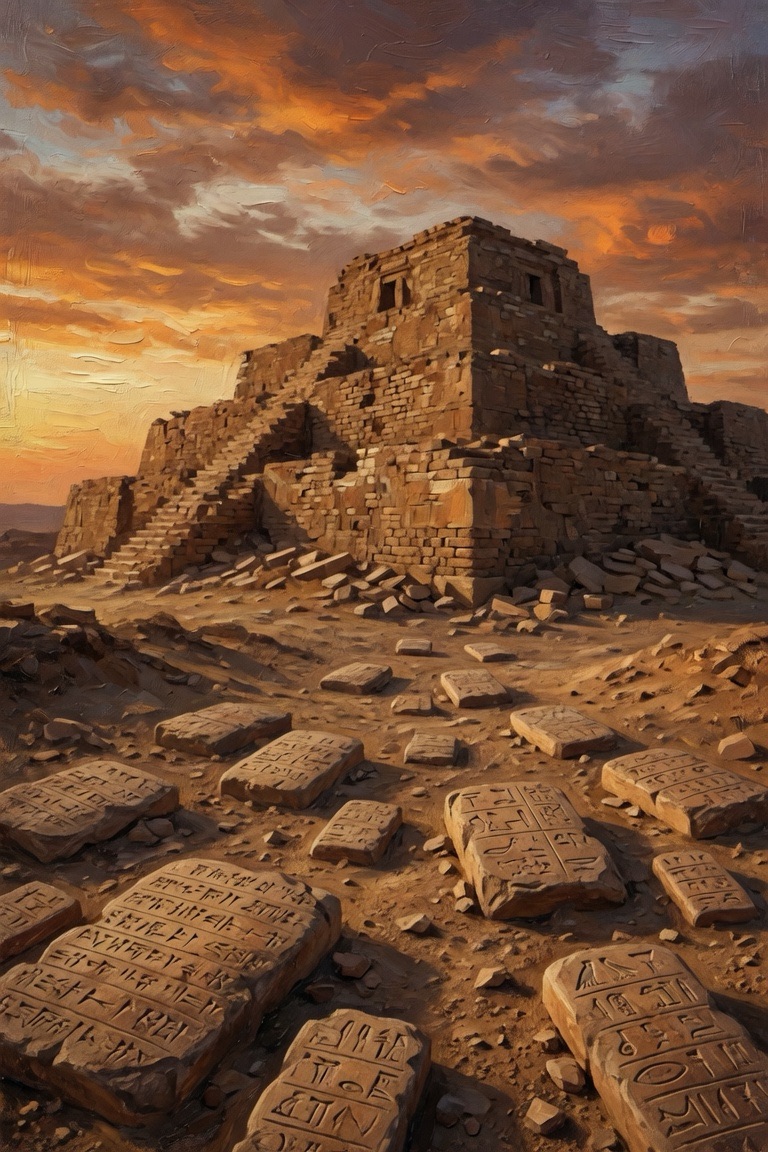
This is Part 14 of the Creation & Origins series. Part 13 — Creativity, Meaning, and the Human Difference looked at the human capacity for language in passing, as one thread among several. This post takes up language on its own: the biblical account of a single tongue splintering at Babel, the archaeology some researchers…
-
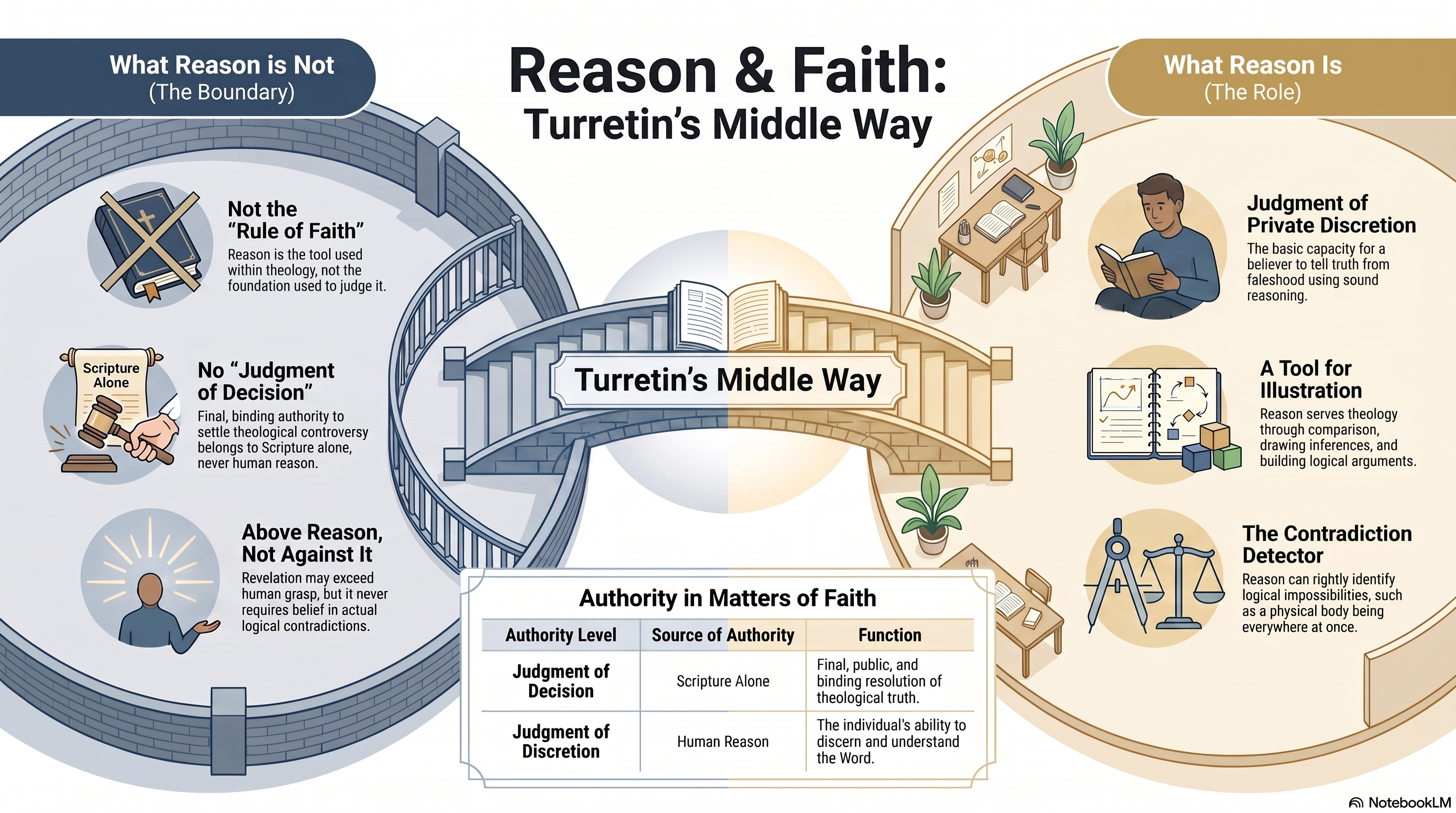
Turretin’s Institutes, Post 7 — Topic 1, Questions VIII, IX & X These three Questions are really one sustained argument, sliced into three angles: how much authority does human reason have over religious truth? Turretin fights this on two fronts at once — against people who give reason too much power, and against people who…
-

Turretin’s Institutes, Post 6 — Topic 1, Question VII This one has real consequences either way you answer it. If theology is just information to know, someone could master it and remain totally unaffected by it. If it’s purely about behavior, doctrine barely matters as long as you’re a decent person. Turretin’s answer shapes how…
-
Walk through the first six oracles against foreign nations. Discover how the repeated ladder declares universal moral order and prepares the way for judgment beginning at God’s house.
-
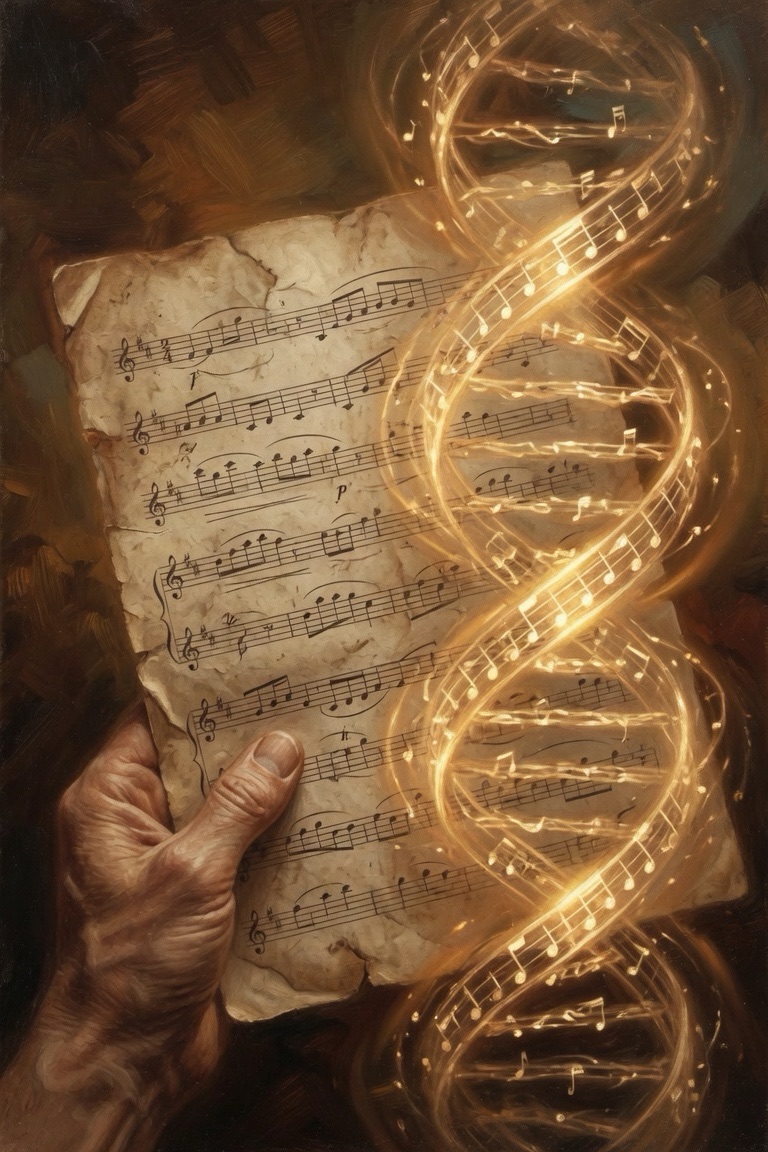
This is Part 13 of the Creation & Origins series. Part 12 — Created Kinds and the Limits of Change looked at where biological change hits a boundary. This post asks about a different kind of boundary — not what separates one animal group from another, but what separates humans from every other animal group:…
-
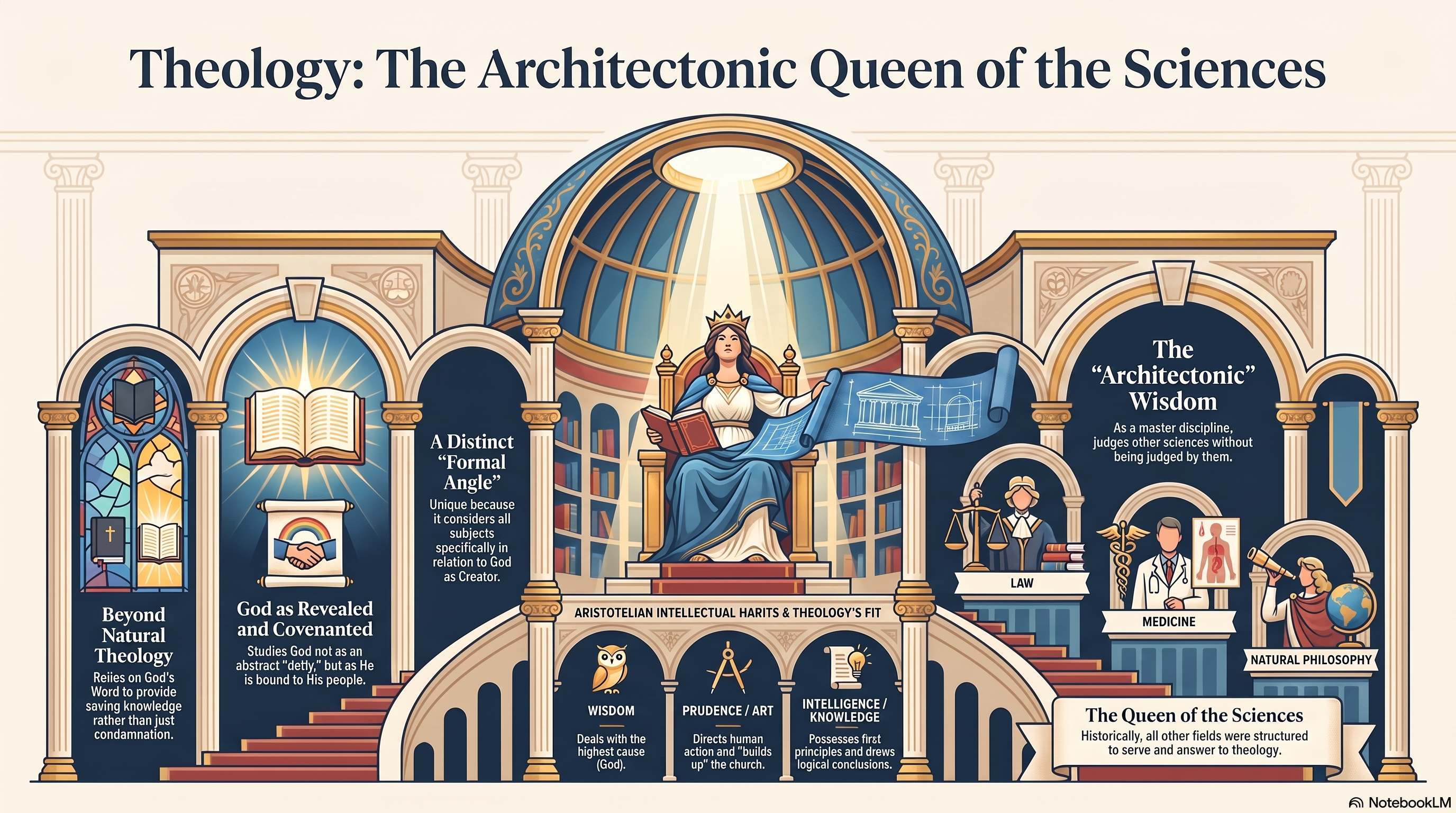
Turretin’s Institutes, Post 5 — Topic 1, Questions V & VI Two structural questions close to the start of the book: what exactly is theology “about” (its object), and what category of knowledge does it belong to (its genus)? These sound like scholastic hair-splitting, but they’re load-bearing. Get the object wrong and theology either collapses…
-
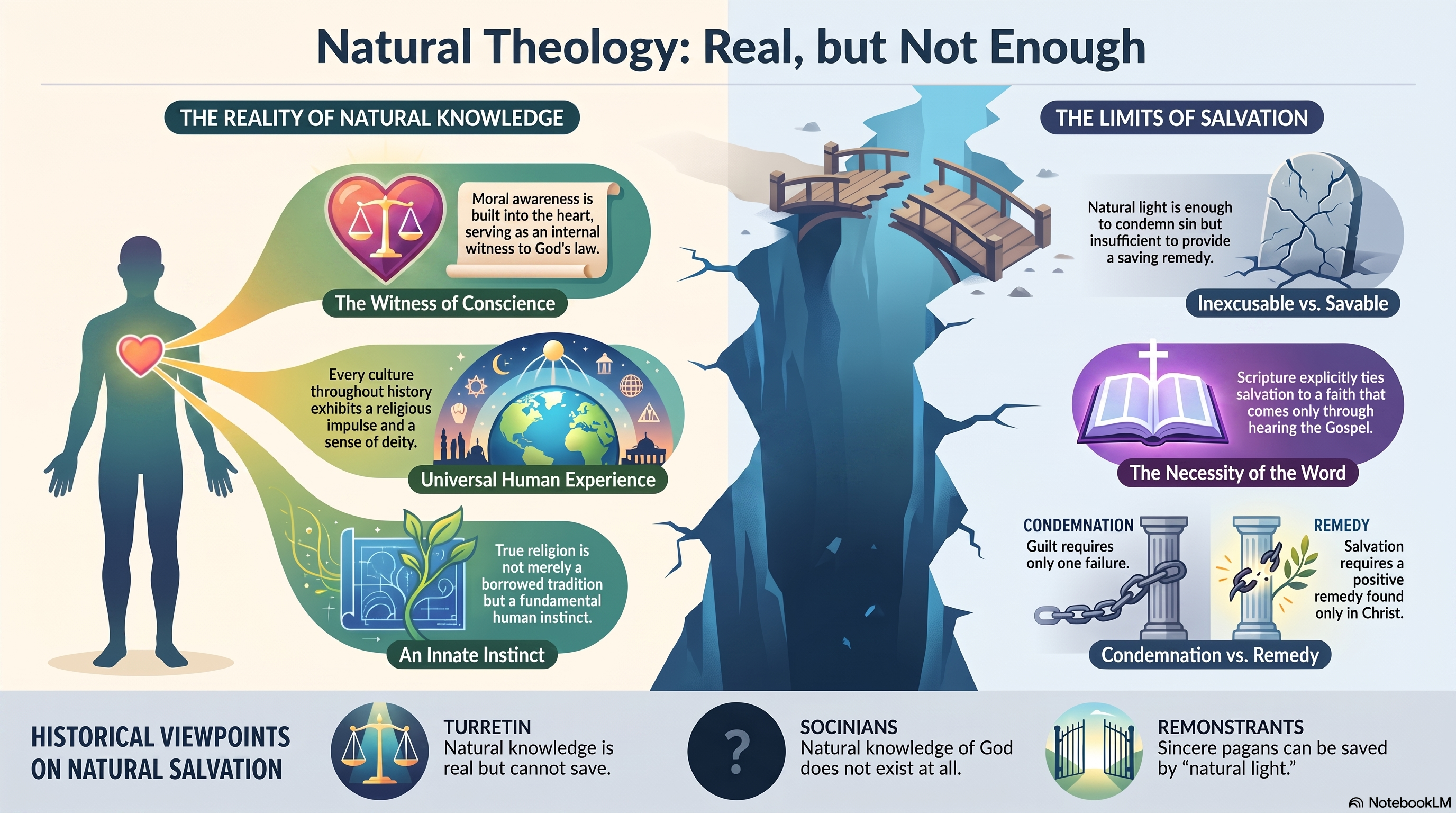
Turretin’s Institutes, Post 4 — Topic 1, Questions III & IV Turretin just finished sorting the different kinds of theology, including “natural” theology — whatever true knowledge of God a person can have apart from Scripture. Now he asks two connected questions that still matter enormously today: does that natural knowledge actually exist? And if…
-
Experience the relentless power of the 3/4 ladder as Amos pronounces judgment on eight nations. See how the same device levels the field and reveals God’s impartial justice.
-

This is Part 12 of the Creation & Origins series. Part 11 — The Wall looked at how methodological naturalism functions as a rule of the game, separate from the evidence itself. This post comes back down from the philosophy of science to a concrete biological question: when a creationist says “that’s just microevolution,” what…
-
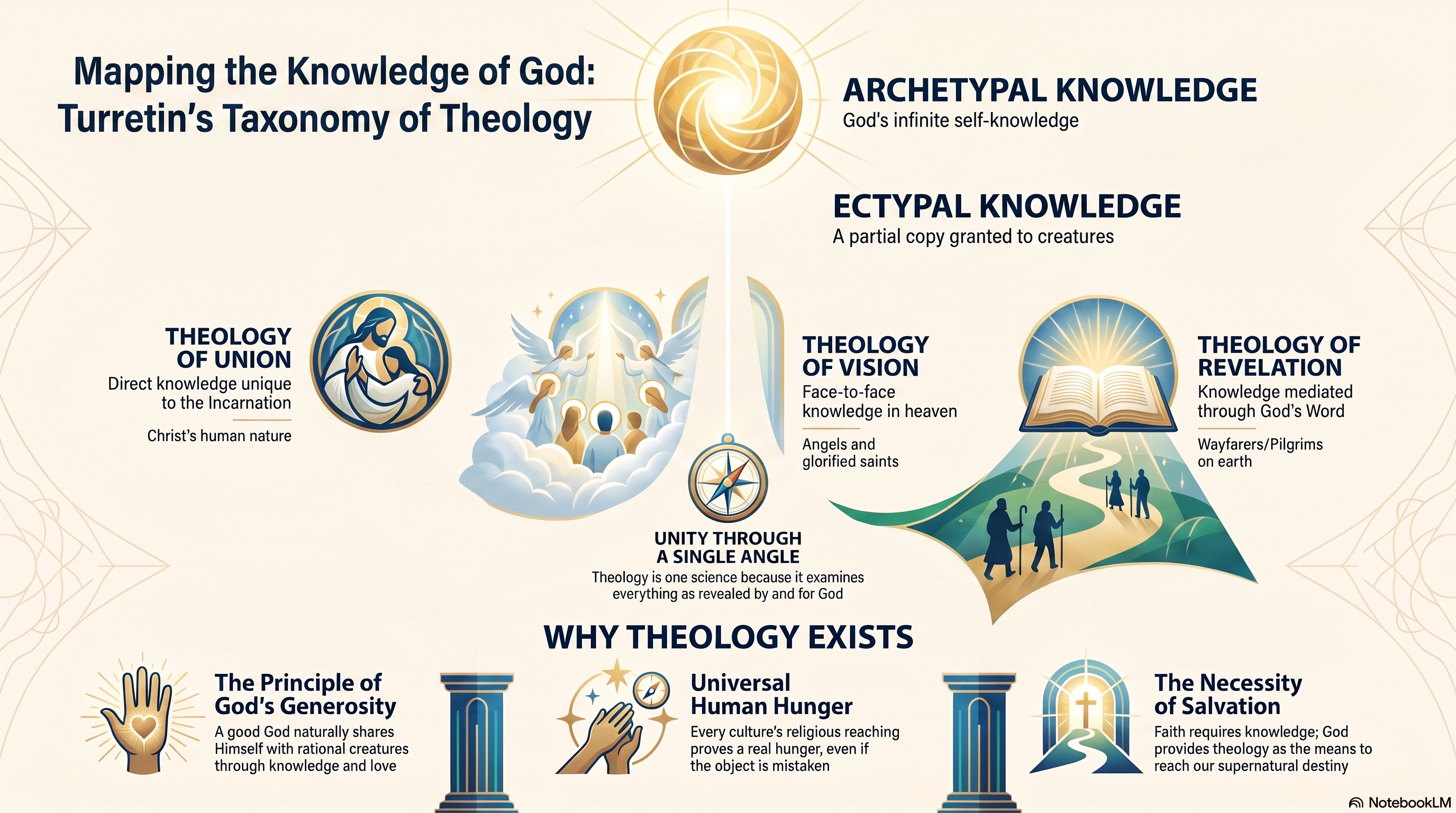
Turretin’s Institutes, Post 3 — Topic 1, Question II Question I defended the word “theology.” Question II asks something more basic: does the thing itself — a genuine, reliable body of knowledge about God — actually exist? And once we admit it does, which of several very different things people call “theology” is Turretin actually…
-
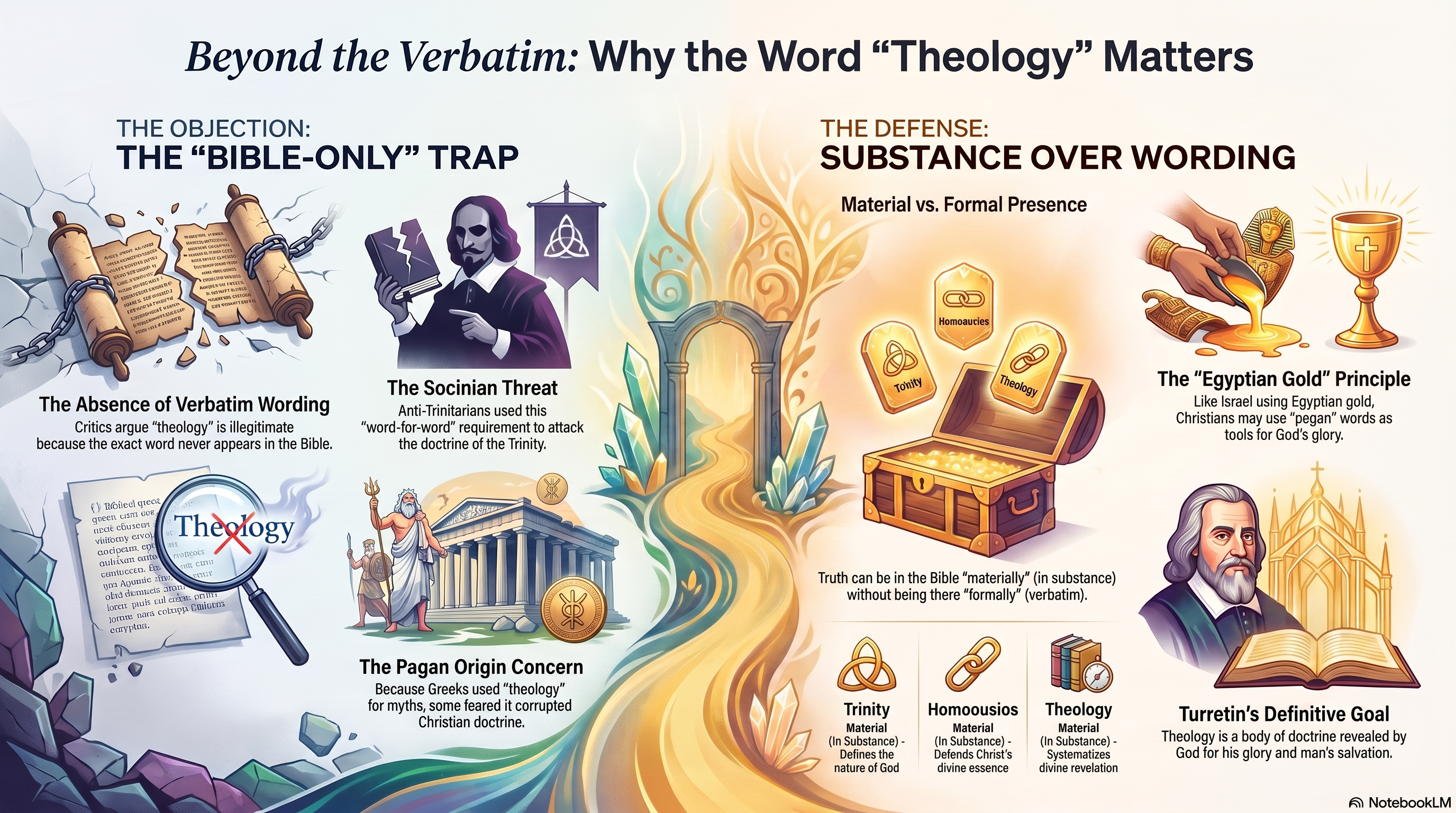
Turretin’s Institutes, Post 2 — Topic 1, Question I Francis Turretin opens his entire three-volume, twenty-topic work with a question that looks like throat-clearing but isn’t: is it even legitimate to use the word “theology” for Christian doctrine? It’s not in the Bible. The Greeks used it for their own mythology. That question matters more…
-
Discover the classic 6/7 ladder listing what God hates. Learn how this structured warning exposes the heart’s fractures and points us to Christ, who bore every detestable thing on the cross.
-

A philosophical claim and a set of career-persecution stories get treated as one argument, but they aren’t. Methodological naturalism, the Sternberg and Gonzalez cases, the NCSE’s rebuttal, and what a federal courtroom actually decided in Kitzmiller v. Dover. Part 11 of the Creation & Origins series.
-
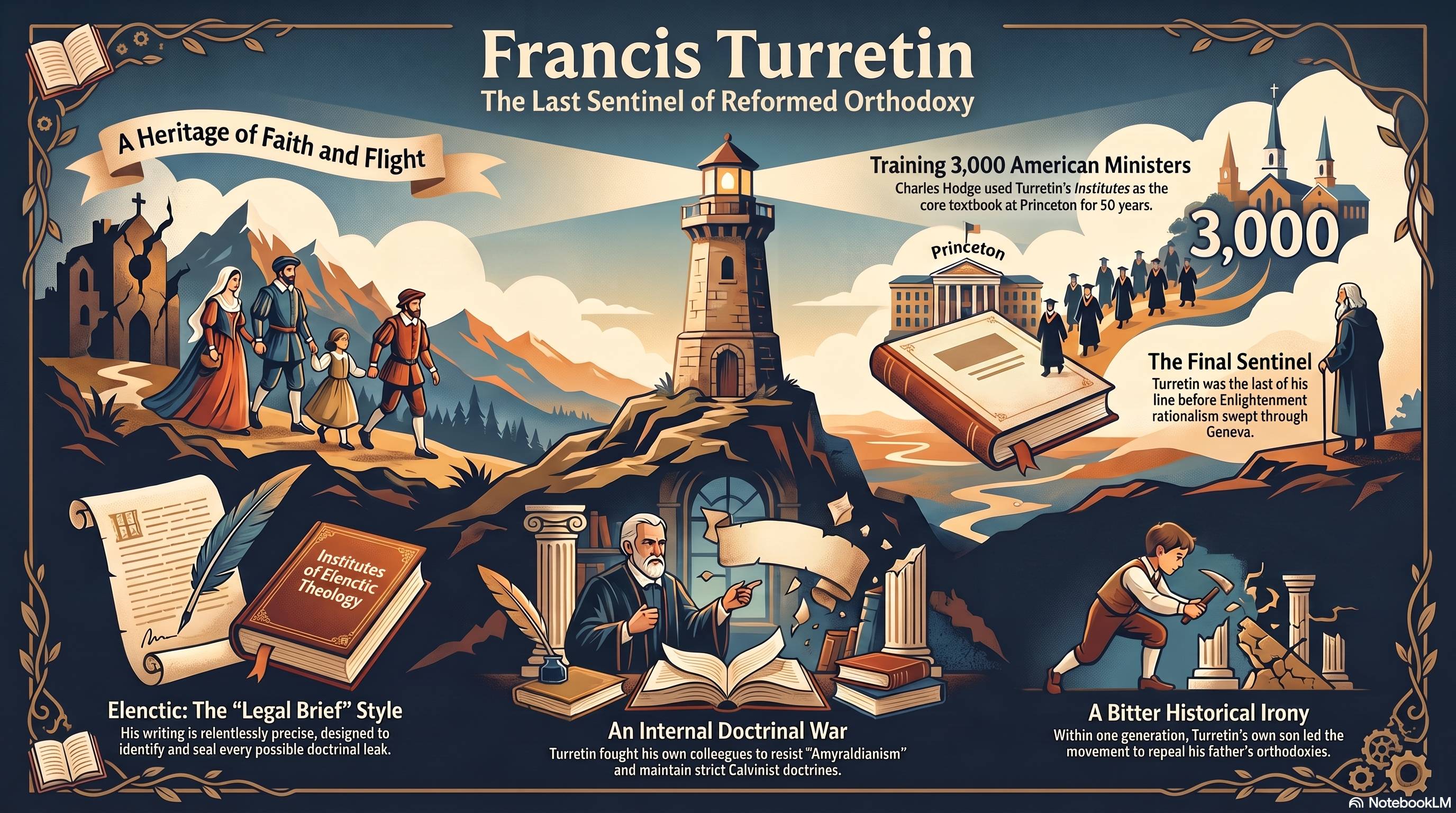
Turretin’s Institutes, Post 1 Before we open the book itself, it’s worth knowing who wrote it. You can’t understand why the Institutes of Elenctic Theology reads like a legal brief until you know Francis Turretin spent his life as a front-line combatant in a doctrinal war — and not, as you might expect, against Rome.…
-
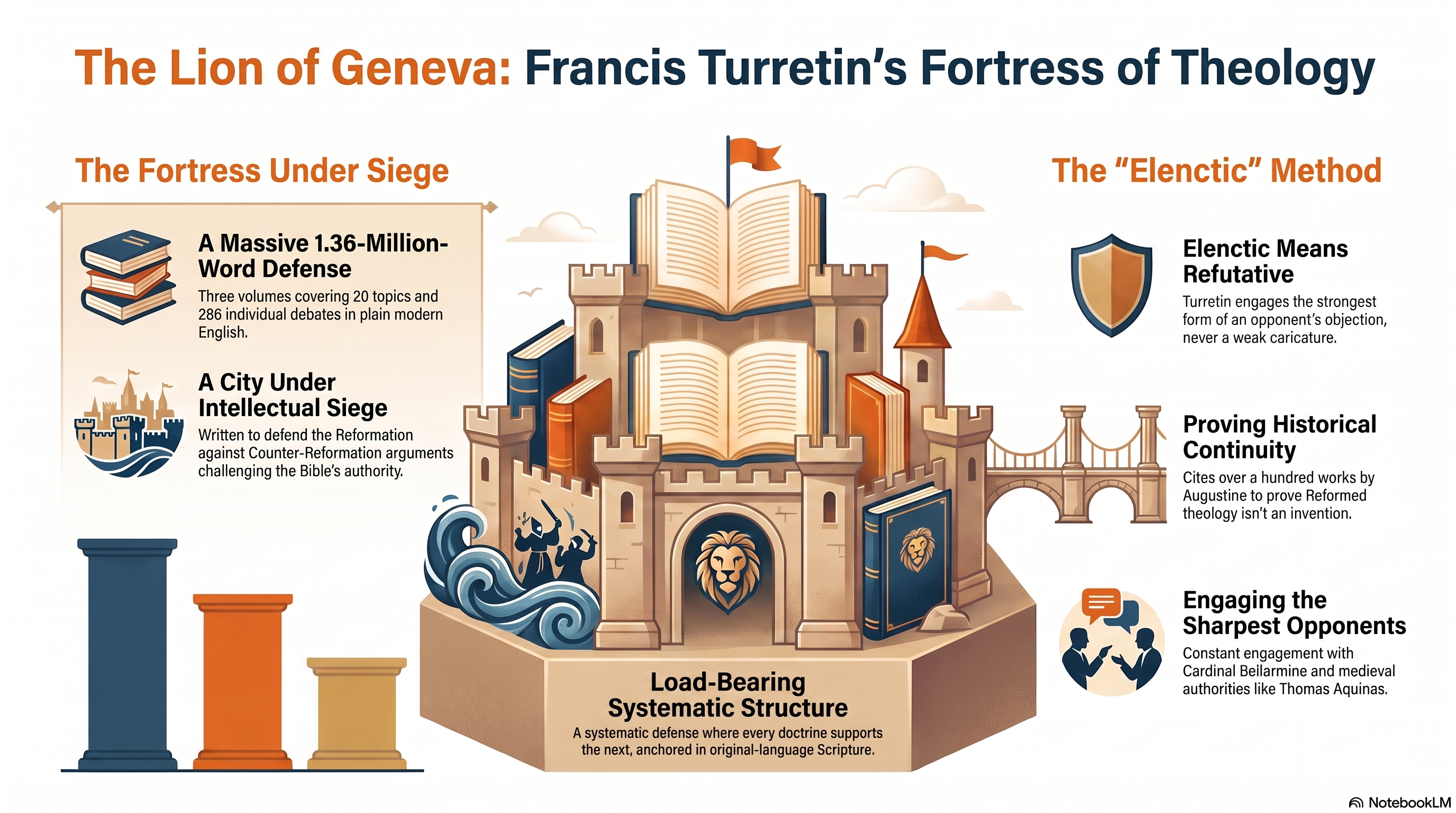
Turretin’s Institutes, Post 0 — Series Introduction This series is a long-term project: working straight through Francis Turretin’s Institutes of Elenctic Theology — three volumes, twenty topics, roughly 286 individual debates, 1.36 million words — question by question, in plain modern English. Before we open the book itself, it’s worth spending one post on why…
-
The 3/4 ladder continues beyond Proverbs 30. This segment explores its power in Solomon’s wisdom (Proverbs 6) and Amos’s prophetic oracles, showing how numerical escalation reveals God’s ordered judgment and mercy.